



























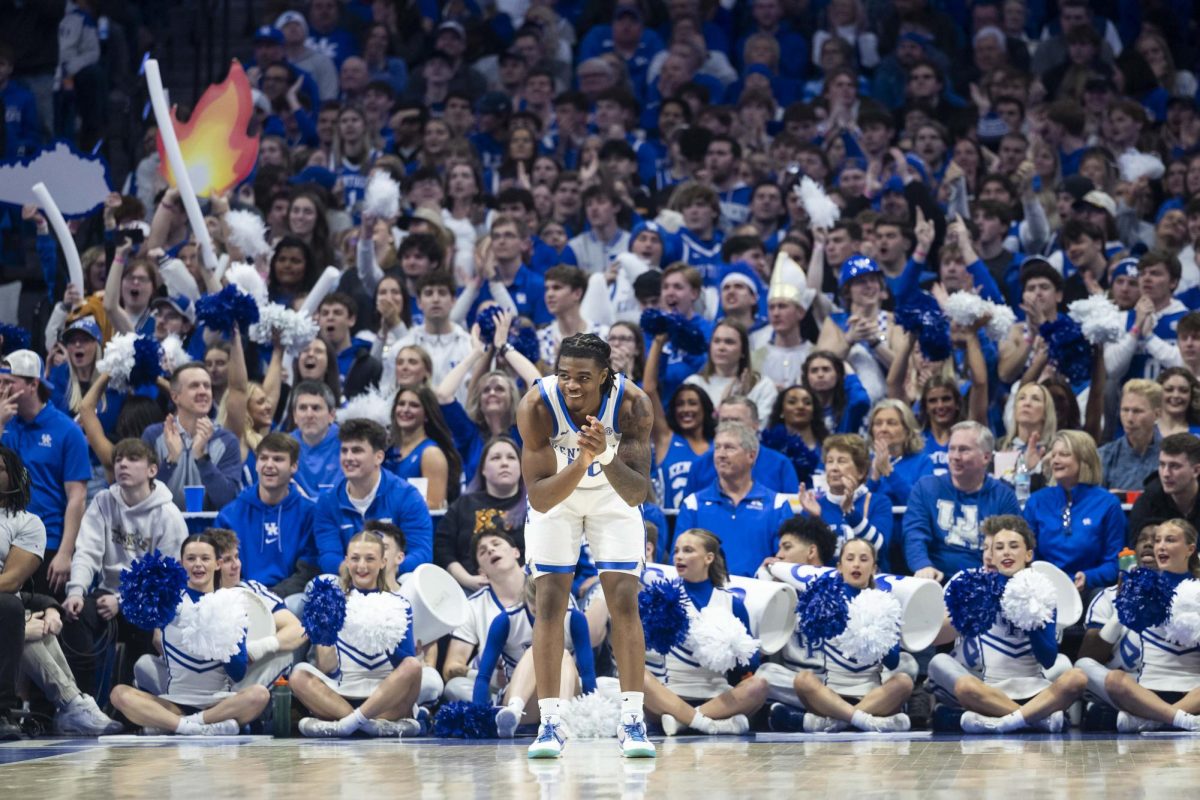
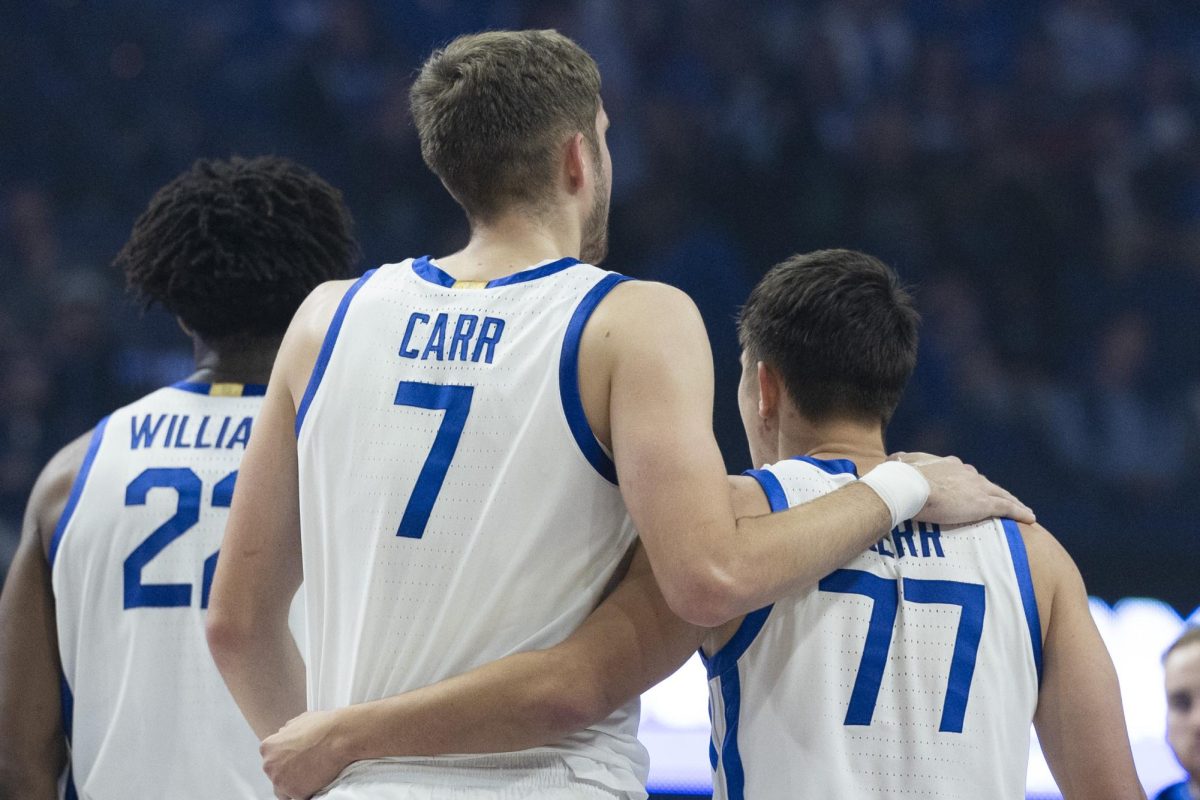
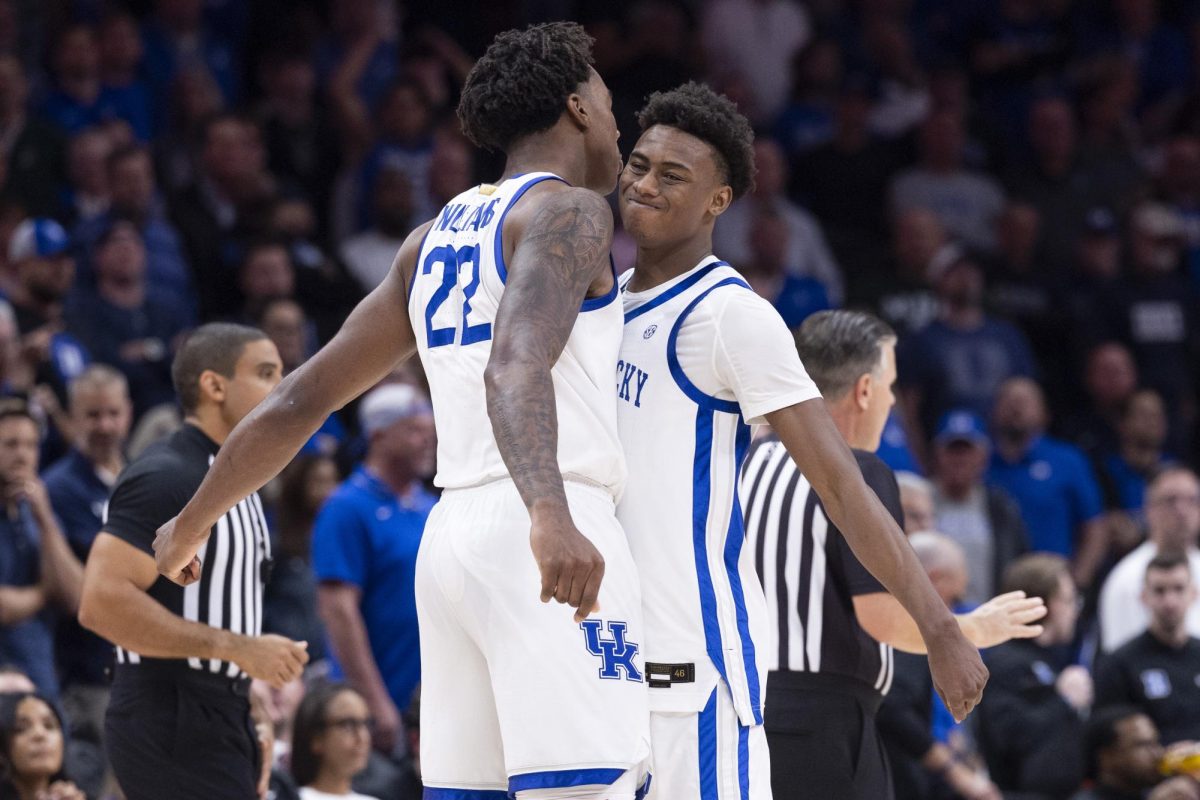













































































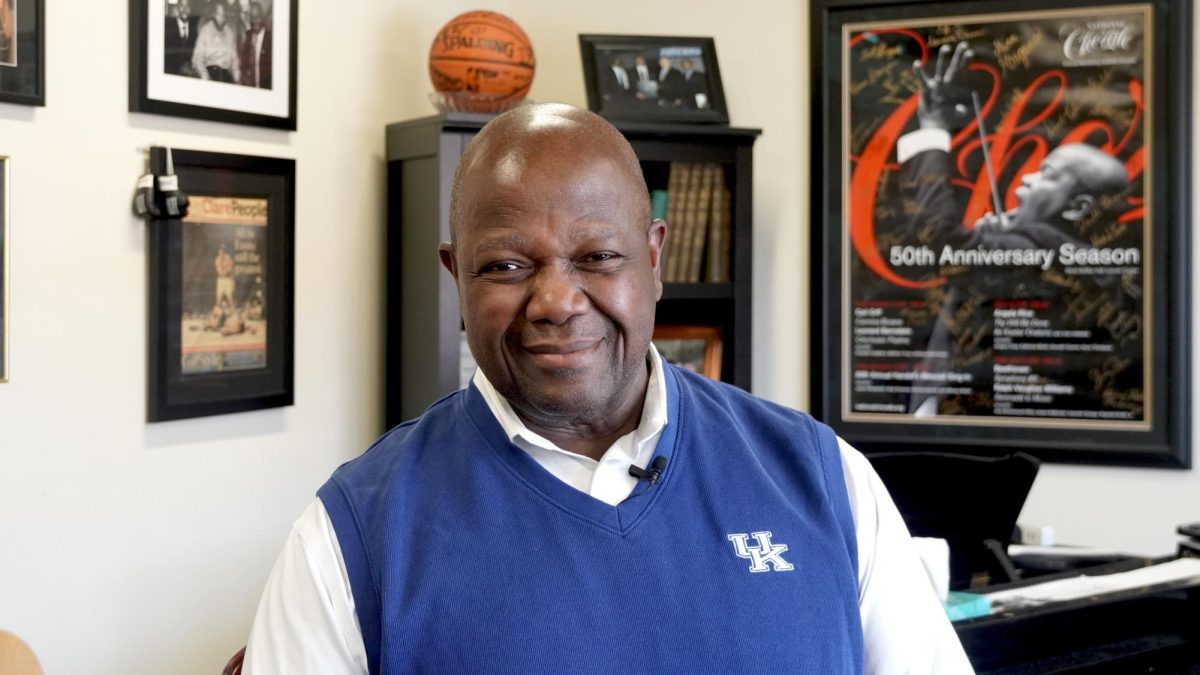







Only nine minutes after the 2026 NCAA transfer portal officially opened, Kentucky’s Denzel Aberdeen shocked the nation.
The senior announced he will be entering the transfer portal while filing an NCAA eligibility waiver, after spending three seasons with Florida and his lone season with Kentucky.
Aberdeen becomes the first four-year college basketball player to enter the transfer portal in the wake of President Donald Trump’s new executive order on future college athletics.
Now, Aberdeen is far from the first player to pursue an NCAA eligibility waiver after playing four seasons.
In January, Vanderbilt linebacker Langston Patterson and several other athletes sued the NCAA, arguing that the four-season limit violated antitrust law and unfairly restricted athletes’ earning potential in the NIL era.
However, a federal judge denied the athletes’ request for a fifth season of eligibility, reinforcing the NCAA’s long-standing “four-for-five” structure.
That decision enforces the reality of the current system: eligibility is not being broadly expanded. Instead, it remains dependent on case-by-case waivers.
However, with Trump’s new executive order, the landscape of college athletics could be on the brink of change.
Aberdeen is at the forefront of it all, and while the order is not expected to be enforced until Aug. 1 – and has yet to be adopted into formal NCAA policy – his case arrives at a crossroads where future eligibility models are uncertain.
The current “four for five” model:
According to the NCAA College Recruiting website, which states that “NCAA Division I student-athletes are allowed four seasons of competition within a five-year eligibility clock that begins upon full-time enrollment,” athletes are granted just four years of eligibility within a five-year period.
This model includes a buffer year, giving players flexibility in light of specific circumstances.
Historically, this was for transfers, as old NCAA rules required athletes to sit out a year after transferring.
In 2021, regulations allowed student-athletes to transfer schools once without having to sit out a year, but in 2024, the NCAA authorized unlimited transfers.
Other reasons for the fifth year include redshirts, which give players a year of development without using a season of eligibility, depending on the sport and its participation limits.
For example, in football, athletes can appear in up to four games and still retain a redshirt, while in most other Division I sports, participation in even a single game typically counts as a full season and forfeits a redshirt.
The fifth year also serves to protect injured athletes, who may be granted a medical hardship waiver that restores a season of eligibility.
Either way, the model enforces just four years of play – the fifth year does not provide an additional season or extend eligibility, but instead gives athletes extra time to use their four seasons.
So, traditionally, Aberdeen’s waiver would face near impossible odds under the NCAA’s current structure.
However, the executive order passed on April 3, could signal a potential change.
Urgent National Action to Save College Sports:
According to the executive order, Trump called on federal agencies to ensure schools are following eligibility rules, pushing for more oversight of athlete compensation, discouraging third-party payments used as recruiting incentives and emphasizing preserving scholarships and broad participation opportunities across college sports.
This executive order is aimed toward college eligibility, the transfer portal, revenue-sharing between schools and student-athletes and restrictions on improper financial activity.
In Section 4 (A), eligibility limits include that federal agencies “provide for the ability to transfer one time during the five-year period with immediate playing eligibility, and one additional such time if the student-athlete obtains a four-year degree.”
What this means for college eligibility:
This order would grant athletes five years of eligibility within a five-year period.
This contradicts current NCAA rules, and more specifically, the “four five” model, as the new order would put athletes under a “five five” model, giving them a maximum of five years to compete at the collegiate level.
Similar to the NCAA’s current model, exceptions are enforced.
According to Section 4 (A), “Participation in college athletics is permitted for no more than a five-year period, with limited exceptions for military service, missionary service, and other periods of absence from participation that are in the public interest.”
The executive order does not explicitly outline the status of redshirts, medical redshirts, or any other exceptions, and those will most likely remain in place.
The biggest difference is that this would prevent athletes from taking sixth or seventh years because of a multitude of eligibility exemptions.
The transfer portal:
In regard to the transfer portal, the order outlines “[Transfer rules] provide for the ability to transfer one time during the five-year period with immediate playing eligibility, and one additional such time if the student-athlete obtains a four-year degree.”
This would uphold the NCAA’s current rules allowing athletes to transfer without having to sit out a year, but would enforce limits on how often a player can transfer.
This is the second order Trump has signed regarding college athletics in the past year.
The first, coming on July 1, 2025, titled “Saving College Sports” pushes for more oversight of athlete compensation, discouraging third-party payments used as recruiting incentives and emphasizing preserving scholarships and broad participation opportunities across college sports.
The order detailed that “Any revenue-sharing permitted between universities and collegiate athletes should be designed and implemented in a manner that preserves or expands
scholarships and collegiate athletic opportunities in women’s and non-revenue sports.”
All in all, the executive order furthers Trump’s mission to “protect college sports from endless lawsuits and destabilizing financial obligations that could jeopardize women’s and Olympic sports.”
While Trump’s executive order has introduced the possibility of a “five-for-five” model, those changes have not yet been implemented, meaning Aberdeen’s case will still be evaluated under the NCAA’s current four-season eligibility structure.
Entering the transfer portal does not grant additional eligibility. It will simply give him a destination if his waiver is approved.