






































































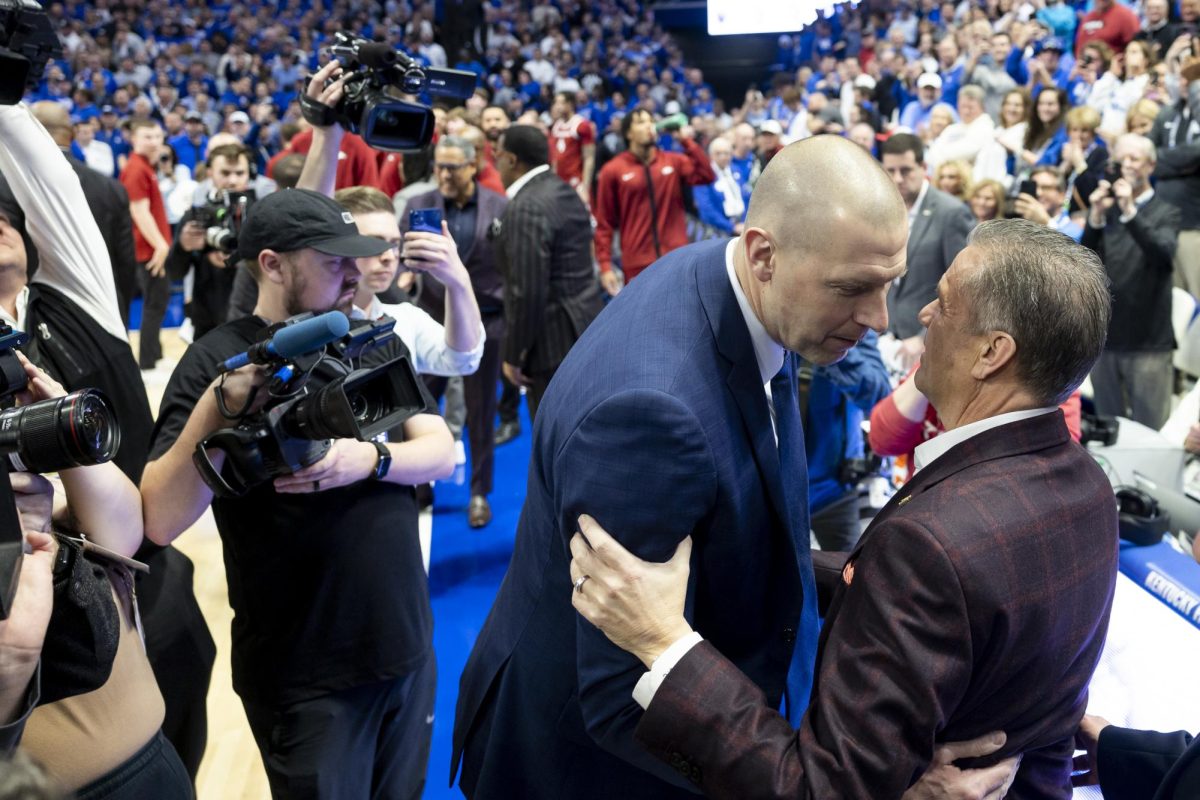






































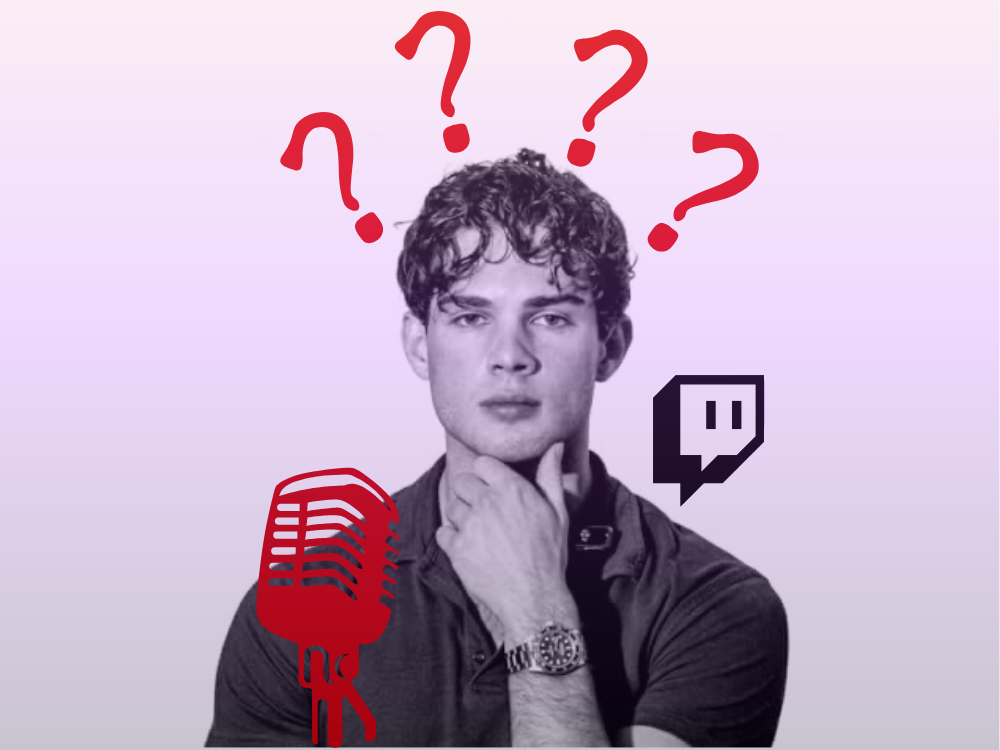
If you are chronically online enough, you would know TikTok celebrity “Clavicular” was “framemogged” by an Arizona State University frat leader in February.
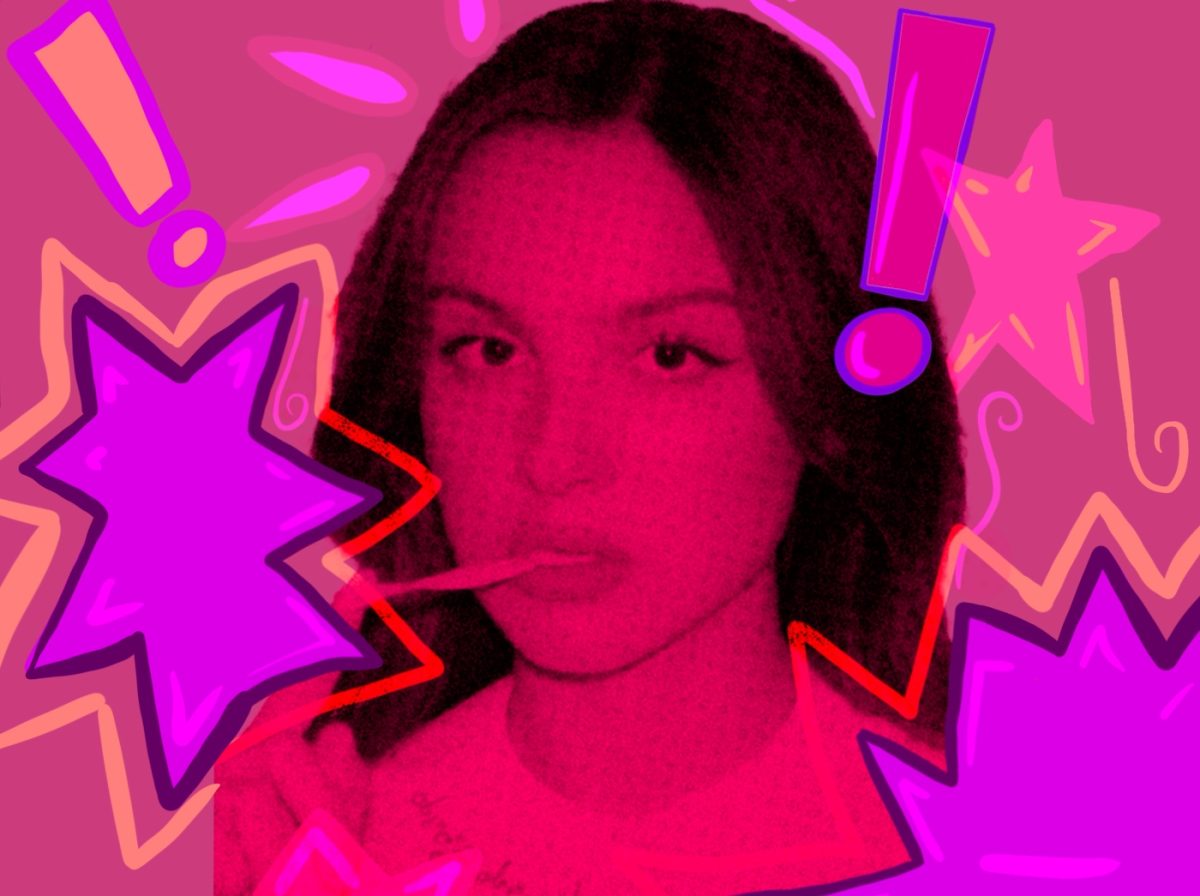
Clavicular, or Braden Peters, is a streamer and TikToker with roughly 800,000 followers and millions of views per video. His content focuses on “looksmaxxing,” a harsh lifestyle where one optimizes their appearance to gain “better” treatment and status in the world.
So-called “looksmaxxers” partake and joke in the realms of “mogging,” “bonesmashing” (smashing bones with a hammer to change one’s facial structure) and injecting substances such as peptides or fat dissolvers.
Looksmaxxing communities and unattainable standards have always been apparent and the norm for women. Why is it that when men “looksmax” to extreme measures, it is a culture, a community, a joke or a unique concern like that of the male loneliness epidemic?
The way looksmaxxers determine their standard of beauty is largely based on traditional, Eurocentric, gendered standards.
Take, for example, ranking lists popularized for women on TikTok.
These lists categorize female facial features on scales of which are most attractive. The “ideal” woman, according to this chart, has a thin face and a small nose.
Clavicular is a sort of ring-leader for young people hoping to looksmax, however, he was “framemogged” by an ASU frat leader, meaning his physique looked “worse” by comparison.
This raises the obvious question: What does it matter, and who even cares?
First of all, Clavicular has allegedly undergone some extreme transformations, like doing meth and injecting testosterone.
In his ideology, which is disseminated to tons of young men, there are very apparent issues.
Clavicular has said slurs, such as the N slur, unapologetically, and often refers to women in a vulgar manner, using the incel term “foid,” meaning female humanoid organism.
Nonetheless, Clavicular still receives plenty of hate online, ranging from jokes about his skin having splotchy, blue hues, or “decomposing,” to mocking his casual use of overly scientific lingo.
What is so strange about Clavicular is his popularity. Extremity no doubt breeds reaction in popular culture, but not all reactions are baffled. Many are in support, most are sympathetic.
Just look at any related TikTok for comments or edits of young men who are unironically involved in looksmaxxing at the expense of young women.
What is concerning is young men are on board with these ideologies, which seem straight out of the incel forums of the 2000s.
Are their dissatisfactions and violent forms of community emblematic of broader societal issues? Of course.
According to the Manosphere Index, a study investigating American gender norms, harmful forums for toxic masculinity have always existed online, however, advanced algorithms have expanded their reach. Algorithms now transcend race, class and ethnic lines.
“What used to require intentional searching or subcultural affiliation is now pushed into feeds by design, normalizing certain narratives and making fringe ideas feel mainstream,” the Manosphere Index wrote. “What emerges is not a portrait of men becoming uniformly radicalized. Instead, it is a portrait of men who feel economically strained, digitally overexposed, algorithmically shaped, spiritually searching, and culturally unseen — men who are navigating profound uncertainty while building meaning in spaces where they feel heard, validated, or simply less judged.”
In an era that is so tense, politically, economically and socially, it is no wonder that men are backsliding toward outdated ideas in search of meaning, acceptance or feelings of control.
Still, this confusion is no excuse.
There is something to be said, too, about the sense of self-objectification of women who voluntarily join looksmaxxing spaces or livestreams like Clavicular’s, and it’s not their fault.
In this case, two different sets of hyper-masculinized, patriarchal standards converge. Women must look or act a certain way for the appeal of men, and, now, so must men.
Both sides are inherently toxic and harmful, no matter how normative they may be. Patriarchal standards do not benefit anyone involved.
University of Kentucky students, too, stand conflicted when it comes to Clavicular.
Connor Lynch, a sophomore kinesiology major, said Clavicular’s emphasis on encouraging men to work on themselves is respectable, but the way he goes about it is not ideal.
“Obviously, he’s not super respectful to women and stuff like that,” Lynch said. “But, his base, just bettering yourself, going to the gym, I think that’s really important.”
Similarly, Will Collier, a sophomore philosophy major, said he likes Clavicular.
“I think that, originally, I thought he was kind of a douchebag,” Collier said. “I guess I saw more clips of him on TikTok, just being, generally, kind of a nice person. He also admitted he was autistic, and I think that kind of made me feel for him a little bit. It seems like he’s actually trying to help people in terms of the looksmaxxing sphere.”
Collier said he thinks Clavicular is going to have short-term fun and long-term effects, and disapproves of his substance abuse.
“I know he always says I know that it sucks to be unattractive, and he thinks it’s shitty to be unattractive, and he’s doing what he can do to be attractive and lead the life he wants to lead, and that’s his choice,” Collier said. “Like I said, short-term benefits, long-term effects, but I can’t blame him.”
So, who can we blame for the looksmaxxing epidemic?
Blaming young men who are obviously struggling, mentally and physically, at the hands of an unfair system seems counterproductive. It’s even more unproductive to blame the women who have suffered under this system for generations.
If anything, tragedies like Clavicular’s online presence are nearly a call to action, not so much benefactors of blame.
With the younger generation holding onto traditional norms and radicalizing one another on social media, it’s proving itself rather harmful.
I think we can all feel, deep in that harm, a desire for society to advance beyond what has painfully constricted us, at some point in our lives, in terms of appearance, gender and identity.