











































































































Editor’s note: The victims in the investigation were not named within court documents.
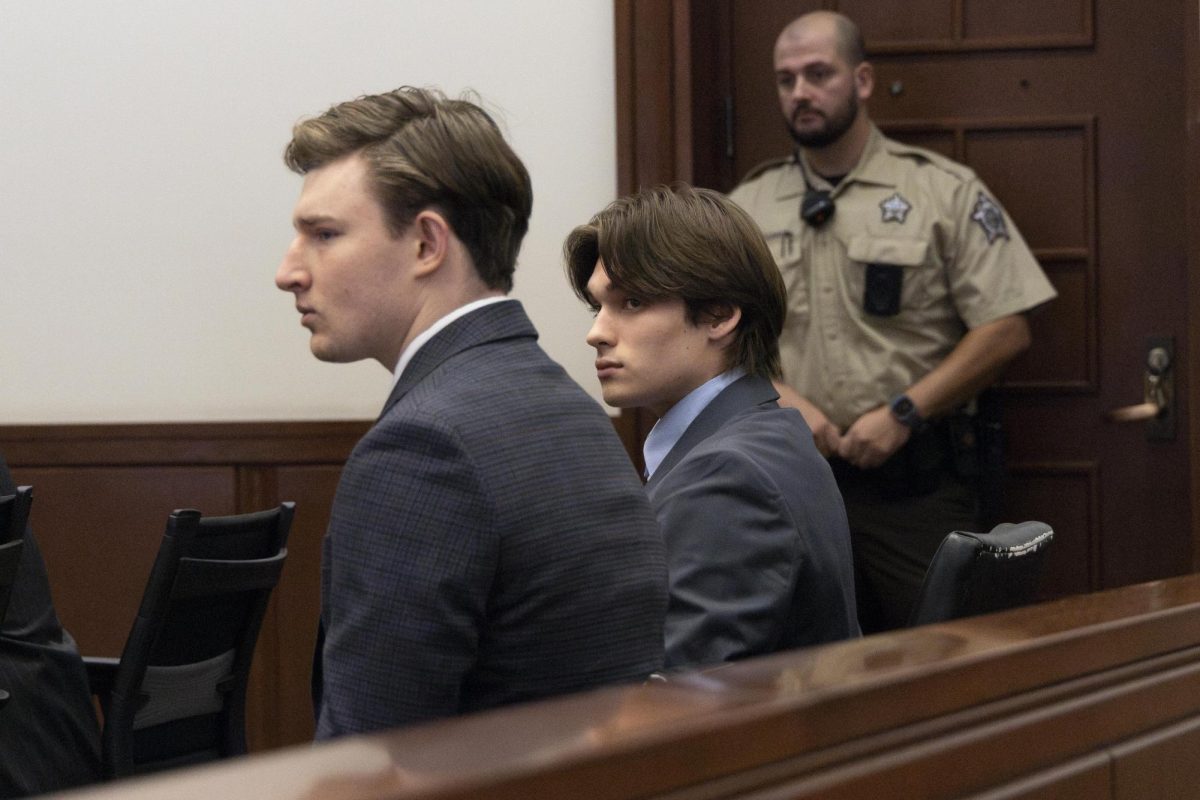
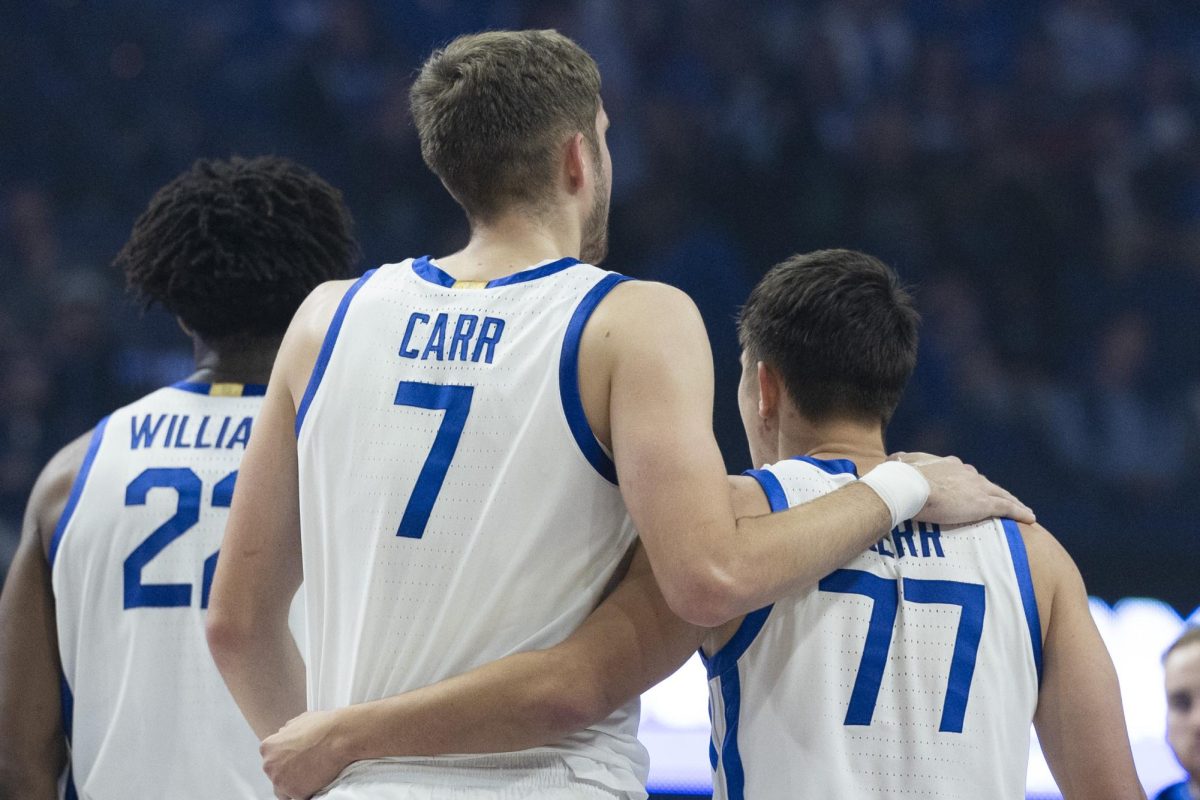
Former University of Kentucky basketball guard Kerr Kriisa has been taken into custody by the FBI in an alleged connection to a $2.2 million scam.
Kriisa was arrested on July 3 in Lexington, and is awaiting extradition to West Virginia ahead of his court hearing, which is set to take place this week.
According to a five count indictment of wire fraud from the Department of Justice, prosecutors allege that beginning in 2022 and continuing to June 2026, Kriisa “devised and intended to devise a scheme and artifice to defraud and obtain money” through fraudulent pretenses and representations.
Wire fraud, the act of fraudulently obtaining money or property over wire, radio or internet communication, carries a fine and maximum prison sentence of 20 years, according to Cornell Law School.
According to the UK Athletics website, Kriisa played for Kentucky in the 2024-25 season. He transferred to the Wildcats having previously played for West Virginia University from 2023-24 and the University of Arizona during the 2020-21, 2021-22 and 2022-23 seasons.
Kriisa was set to play as a member of La Familia, the Kentucky alumni team set to play in The Basketball Tournament. Days before his arrest, La Familia announced that Kriisa was expected to make his debut in a three-game series against Louisville’s alumni squad, The Ville.
La Familia announced on social media that Kriisa will no longer be playing.
Prosecutors allege that Kriisa lied to two victims during the years-long online scam. Court documents did not specify the names of either victim.
The first of the two victims, identified in court documents as Victim 1, began interacting with Kriisa in or around August 2022.
According to the indictment, Kriisa “falsely represented that he and his family faced imminent danger if a victim of his fraudulent scheme did not send him money to pay a debt.”
Court documents allege that Kriisa had claimed he had obtained a loan to pay an unspecified debt back to Victim 1. Roughly three months later, Kriisa falsely told the victim that he “intended to sell his organs for money to repay her.”
Kriisa additionally posed as his mother and not only allegedly sent an email to Victim 1 requesting money to pay for his mother’s alleged cancer treatments, but also sent an email requesting money to help save the family’s farm.
Beginning in late 2025, the second individual, identified as Victim 2 in court documents, was named into the alleged scam.
The indictment alleges that Kriisa posed as a fictional person named “Irene” and sent an email to Victim 2 requesting money.
Kriisa sent this email a total of nine times from November 2025 to February 2026.
Then on December 22, 2025, Kriisa allegedly directed Victim 2 to send money to Victim 1 based on false pretenses that Victim 1 would then send the money to him.
From this point to February 2026, Kriisa emailed this same direction six more times.
Among the aforementioned dates, the indictment outlines that Kriisa also texted Victim 2 four times, three of those falsely stating that he had communicated with “Irene,” and the final message denying falsely that “Irene” was a “fake person.”
The final point of contact with Victim 2 fell with his final text message sent on or about February 2, 2026.
The indictment does not mention any allegations of point shaving or actions directly related to the Kentucky athletic department, nor the West Virginia athletic department.
If convicted, the government will seek a forfeiture amounting to at least $2.2 million.