








































































The University of Kentucky’s Big Blue Slam had less blood donated due to weather conditions and mobile drives closing, according to the Kentucky Blood Center.
The 18th annual competition between the Kentucky Blood Center and Lifestyle Community Blood Center in Florida has been slower at UK, with fewer people donating in the ballroom of the Gatton Student Center on Thursday, Jan. 29.
According to the Kentucky Blood Center’s website, they had to cancel all mobile drives at UK on Jan. 26 and 27 and half of the mobile drives on Jan. 28.
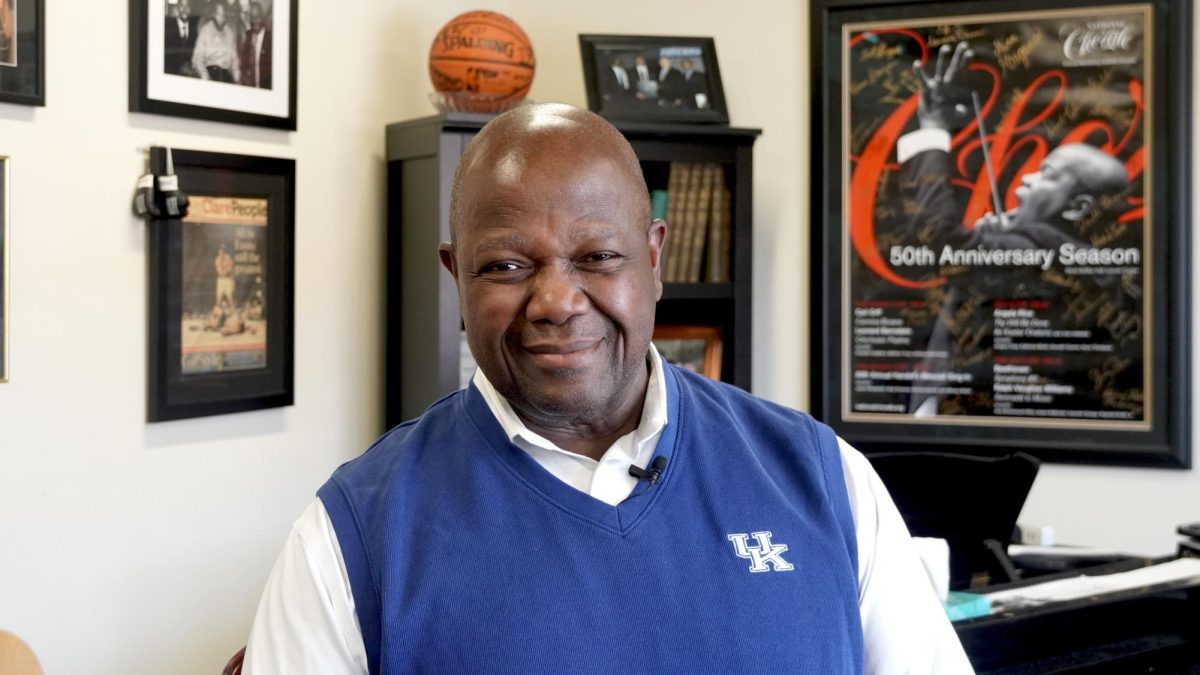
Eric Lindsey, director of media branding at Kentucky Blood Center, said the winter storm this past week has negatively affected the normal turnout of donors to a notable degree.
“We have lost hundreds of donations this week,” Lindsey said. “For an event like this, we’re hoping to get 300 to 400 a day. We haven’t even reached 300 donations through Wednesday.”
Lindsey said not many people realized how much one blood donation can make an impact.
“One donation could save up to three lives, so we are talking close to 1000 lives that have been impacted,” Lindsey said.
According to Lindsey, the Kentucky Blood Center is responsible for the blood supply when hospitals have a spike in need of blood transfusions. The slow pace of donors before and during the Big Blue Slam have caused the stock of blood to run thin.
“At our facility, we have only about a day’s supply to provide to more than 70+ hospitals,” Lindsey said.
It isn’t just central Kentucky that is dealing with a blood shortage. According to the American Red Cross, on Jan. 20, the national blood supply fell about 35%.
“If we ever run out, that puts those hospitals in a position where they have to decide if we might not be able to do this procedure today,” Lindsey said. “We never want them to have to make those decisions.”
Lindsey said the process of donating is not as daunting as it may seem and most who can donate don’t.
“From registration to refreshment, it only takes about 45 minutes to an hour and the actual blood donation part is only eight to 12 minutes,” Lindsey said. “62-64% of people are eligible to give blood and only 3% do”
Freshman and integrated strategic communications major Chloe Ewing has donated over a dozen times in her hometown of Owensboro, Kentucky. She said she has made donating a routine.
“It doesn’t require much time or effort and I can potentially save someone’s life,” Ewing said.
Andrew Diebeo, freshman and media arts and studies major, said he was nervous about donating blood because this was his second time doing so.
“I’m really weary with blood,” Diebeo said. “But the people here are pretty good at it.”
Second year master’s in computer science, Qaism Muhammad said, as a member of a society, this is your chance to step out and be a part of something bigger than oneself.
“I started donating regularly when my friend’s sister-in-law was pregnant and had to run into surgery urgently,” Muhammad said. “There was no blood, so my friend called me and asked if I could go donate for her.”
It’s not just surgeries and traumas that cause a blood transfusion.
“Twenty-five percent of all blood collected goes to help cancer patients,” Lindsey said.
If you would like to donate blood to the Kentucky Blood Center, you can by scheduling an appointment or finding a mobile drive near you at https://www.kybloodcenter.org/.