


































































































Depth can be one of a team’s greatest advantages. It allows for lineup flexibility, fresher legs and insurance against injuries.
On the other hand, it can also be a challenge as too many capable players can lead to frustration over minutes, inconsistency in rotations and difficulty establishing rhythm.
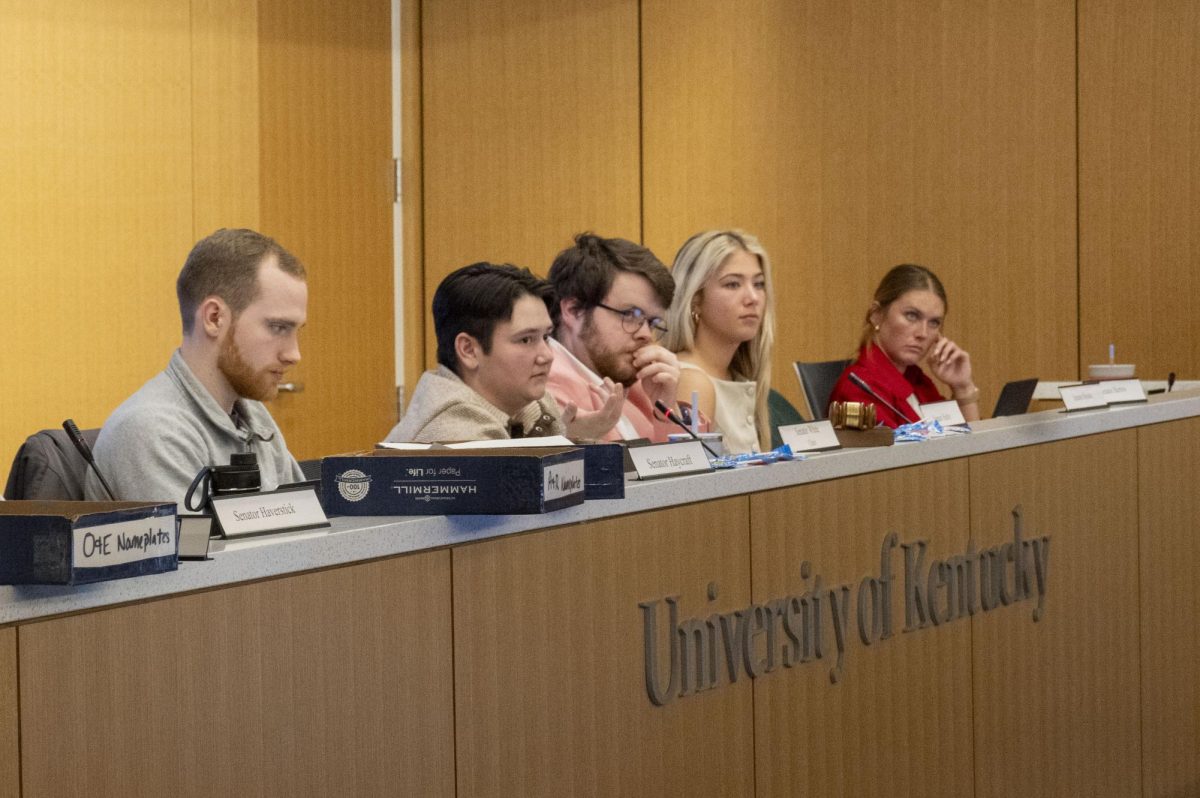
For Kentucky men’s basketball, this season’s roster depth brings both potential and pressure as Head Coach Mark Pope looks to manage one of the most talented rosters in the country.
Lifshen: The depth of Kentucky’s loaded roster could be its greatest strength
In a sport where the season stretches from November to April, depth isn’t a privilege, it’s a necessity. For Kentucky, that truth has never been more evident.
Last year’s late-season injuries exposed the limits of a thin rotation, but this year’s roster offers the opposite challenge: a bench loaded with top-tier talent.
Pope now has the kind of depth that can change games, shape practices, and sustain momentum through the grind of SEC play and into March Madness.
With veterans, transfers and freshmen all capable of earning minutes, Kentucky’s advantage lies in its balance and ability to stay fresh, flexible and competitive deep into the tournament.
The biggest advantage of Kentucky’s depth shows up long before the first tipoff: in practice.
With 13 scholarship players, including multiple transfers and high-level freshmen, every practice becomes a competition among some of the best players around the country.
The result has been an intensity level Pope experienced during his own Kentucky playing days.
“It feels so familiar to me, where I’m kind of like, you know what? I got to get these guys off the floor, because they’re going to kill each other right now,” he said.
The college basketball season is long and punishing, especially as the NCAA continues to add more preseason games. Between the first exhibition and the final push in March, even the most talented teams are tested by fatigue, injuries and inconsistency.
Last year, Kentucky learned that lesson the hard way. Injuries to key players down the stretch forced Pope’s team to shorten its rotation, exhaust starters and lose rhythm at the most critical point in the season.

By the time postseason play arrived, the Wildcats were simply running out of players.
This year’s group is built to avoid that same fate. With one of the deepest rosters in the country, Kentucky now has the flexibility to manage minutes, maintain intensity and adapt to whatever the season throws its way.
“I think it’s going to serve us well as we go through the long season and face all the challenges that you face, including injuries,” Pope said.
Beyond injury insurance, depth gives the Kentucky lineup versatility and the ability to rotate players based on an opponent’s weakness.
Pope has depth in the big department with Malachi Moreno and Brandon Garrison, but also has a lot of talent in fast-play offense with guards like Jaland Lowe, Denzel Aberdeen and Otega Oweh.
The ability to mix and match while still competing at a high level is a luxury most programs do not have.
Depth also means defensive intensity can stay consistent. With more players capable of handling major minutes, Kentucky can press harder, defend longer and wear down opponents.
Last season’s limitations exposed what Kentucky lacked. This year’s depth gives it a chance to withstand the season and stay in control of its own fate when the postseason arrives.
Tobin: Too much depth and a loaded roster could cause problems for Kentucky
In college basketball, fans and coaches often emphasize the importance of depth and having a deep roster. On paper, it sounds ideal: lots of talent, fresh legs and insurance in case of injury.
However, too much depth can actually create several hidden problems for both players and coaches. Managing playing time, maintaining chemistry and keeping everyone engaged can become a difficult balancing act that tests even the best coaching staffs.
When there are more capable players than minutes to give to each, issues such as frustration over playing time, undefined roles and a lack of rhythm can emerge. These challenges can disrupt chemistry and sometimes derail a team’s season.
Right now, Kentucky has 13 players who are deserving of minutes. The Wildcats return four players who averaged at least 10 minutes per game on last season’s Sweet 16 team.
They also added five transfers who were ranked among the top 70 in the 2025 transfer portal class, three top-35 high school recruits and one highly regarded overseas prospect.
Depth is valuable, especially in the case of injuries, but if you look at recent national champions, most have relied on a seven- or eight-man rotation when it mattered most.
This tighter rotation allows teams to build stronger chemistry and ensures that players develop rhythm and confidence in clutch moments.
Pope will likely need to shorten his rotation once the Wildcats get into SEC play to give the team its best chance at a deep postseason run. That means five or six talented, highly ranked players with expectations of making a major impact could find themselves on the bench.
According to Ben Roberts of the Lexington Herald-Leader, Kentucky is spending more than $22 million in name, image and likeness deals on this year’s roster. That means multiple players are earning more than $1 million despite the likelihood that some won’t see consistent playing time.
Outside of SEC Preseason Player of the Year Otega Oweh, Kentucky doesn’t have a clear co-star like many other national contenders do.
The Wildcats arguably might’ve been better off targeting a true star instead of building a roster with 13 rotation-caliber players. Kentucky might have been wiser to overpay for one proven, high-level playmaker such as Yaxel Lendeborg or Donovan Dent, both players the Wildcats were reportedly linked to during the offseason, according to Jacob Polacheck of KSR and Joe Tipton of On3.

Since the start of the NIL and transfer portal era, college basketball has seen multiple cases of players leaving midseason when they’re unhappy with their roles.
In 2022, at Illinois, former five-star recruit Skyy Clark left the team midway through the season.
Clark started the first 12 games but struggled, averaging just seven points and two assists.
After being moved to the bench for one game, he entered the transfer portal.
Although Clark said his decision was due to family reasons, many speculated that his decreased minutes and changing role played a part.
Kentucky could face a similar situation this season if players grow frustrated with their roles. Some could choose to redshirt to preserve a year of eligibility, which could cause movement in the locker room.
With so many talented players sharing limited opportunities, managing egos and expectations could be one of Pope’s biggest challenges.
Depth wins games in November, but stars win championships in March. Kentucky’s season may depend on finding the right balance between the two if it wants to get championship number 9 this year.

