





















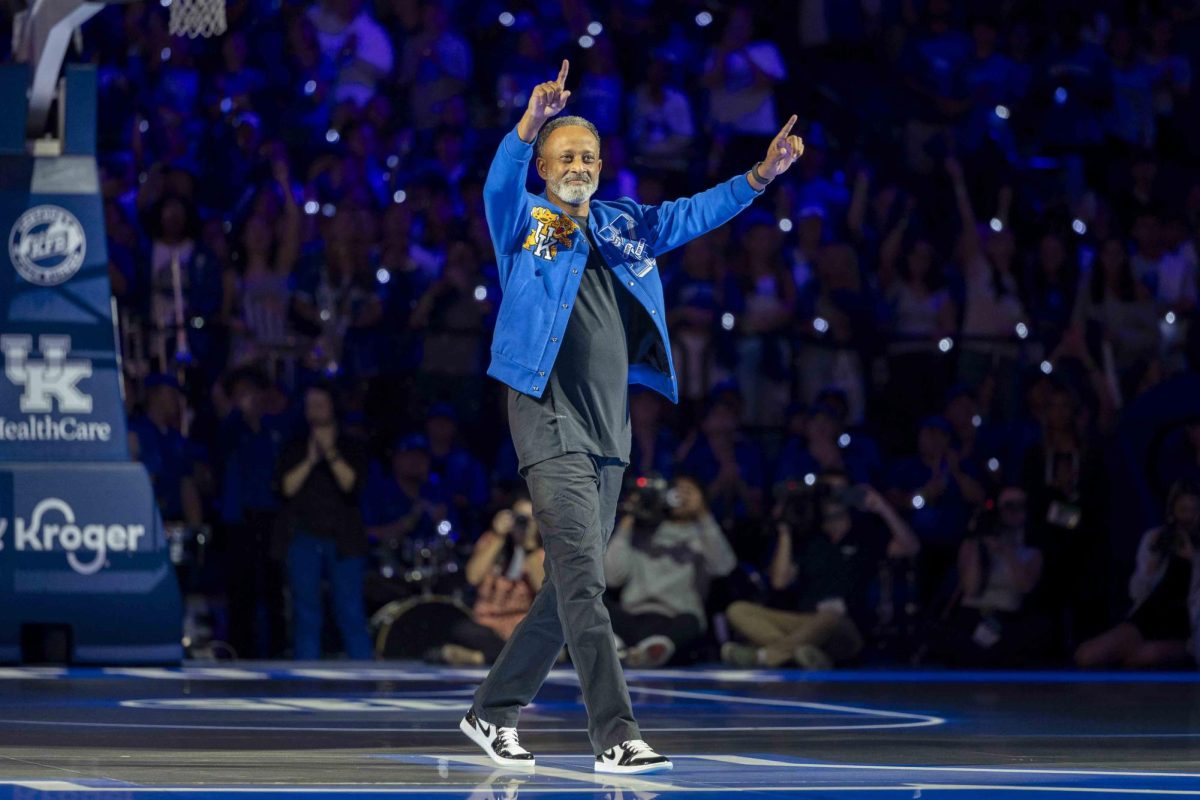


















































































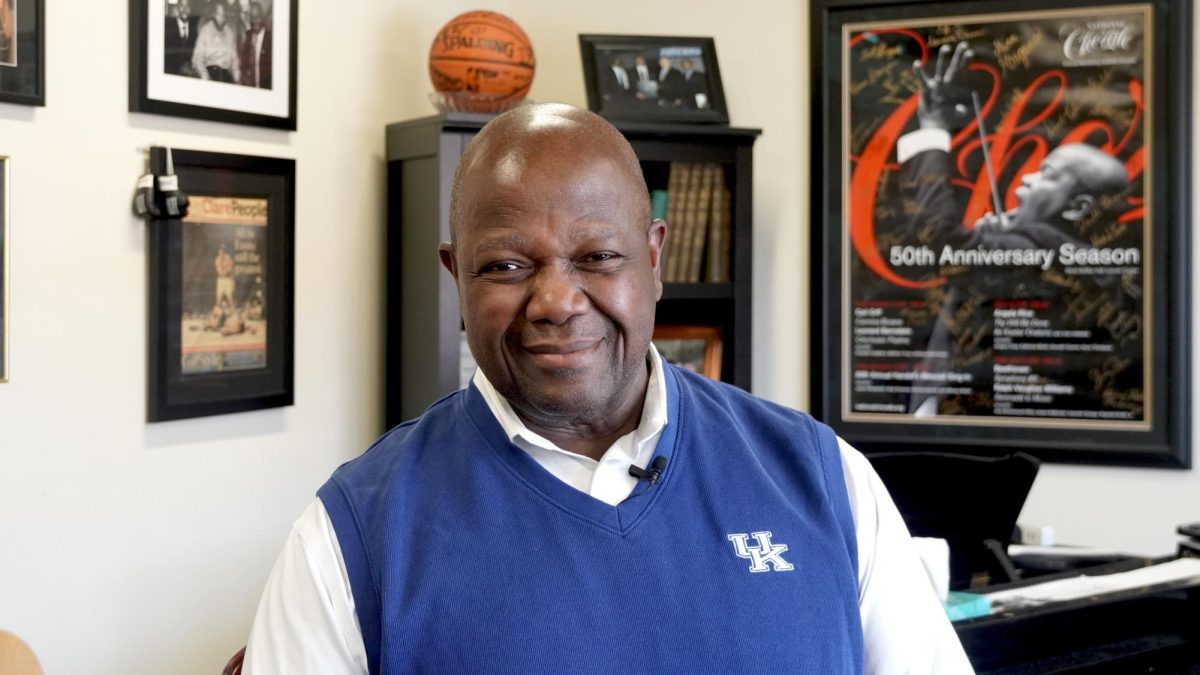






Former University of Kentucky professor and writer Gurney Norman passed away Sunday, Oct. 12, from natural causes, his wife, Nyoka Hawkins, announced on Facebook the following day.
Norman was born in Grundy, Virginia, in 1937, and later he grew up in Eastern Kentucky. From 1955 to 1959, he attended UK, graduating with a degree in English and journalism.
For many years afterward, Norman worked at a series of newspapers and published novels with various publishers, winning several awards, including Berea College’s Weatherford Award.
Throughout his journey, the former Kentucky poet laureate continued to publish several novels, including “Divine Right’s Trip: A Folk-Tale” and “Kinfolks: The Wilgus Stories.”
After returning to his alma mater, Norman worked in the English department starting in 1979 and continued for many years, winning the Great Teacher Award in 2016.
Norman suffered from many health challenges in his last years, Hawkins said in a Facebook post. He passed at 4 p.m. “peacefully, no pain, no struggle.”
“Gurney’s spirit was so vast, so powerful, so affirming,” the post said. “He will never leave us. We have his words, his stories and his books, the gift of his brilliant and grateful writing.”
Norman won many awards for his teaching abilities, changed many of his students’ lives and had a festival held in his honor in the UK in 2023, called “Gurney Fest!” according to Guy Mendes, a friend of Norman’s and UK alumnus.
Norman was also part of Kentucky’s “Fab 5,” a group of writers from UK who took part in the creative writing program, according to Kentucky Monthly.
“Most UK fans think of these basketball players from the 50s, but they were these 5 writers who came up under a couple of really good professors here,” Mendes said.
He had the privilege of knowing Norman for many decades, Mendes said, initially meeting him in the 60’s along with the other 4 of Kentucky’s “Fab 5” writers.
“I think Gurney helped change a lot of people’s lives when he was teaching at UK,” Mendes said. “He talked for a long time, even when his voice was givin out, he could hardly talk. But he made a big impression on a lot of UK students, and he also opened up their eyes and ears.”
Mendes said Norman had a way of captivating an audience like no other, saying he remembered when Norman and another “Fab 5” member, Ed McClanahan, were inducted into the Kentucky Literary Hall of Fame.
Although the event was intended to be a joyful experience, many attendees were not. Mendes said the induction was after the 2016 election, making some feel like it was a “cold, nasty night.”
“Between the two of them, they made us laugh. This whole audience of 700 people they made us laugh for two hours, reading from their work, reading their stories,” Mendes said. “And boy, when you can do that, they not only were good writers … they were good performers.”
While Norman was a talented writer and teacher, he was loved dearly, Mendes said, and left such a strong legacy because he showed joy and spirit in every interaction on UK’s campus and across the commonwealth.
“He was a traveling minstrel with his words, and once you heard him read, you really, whenever you read his work, you could hear that voice because it was so Gurney, there’s nobody like that,” Mendes said. “Gurney was one of the heroes, and will always be just a kid from Hazard.”
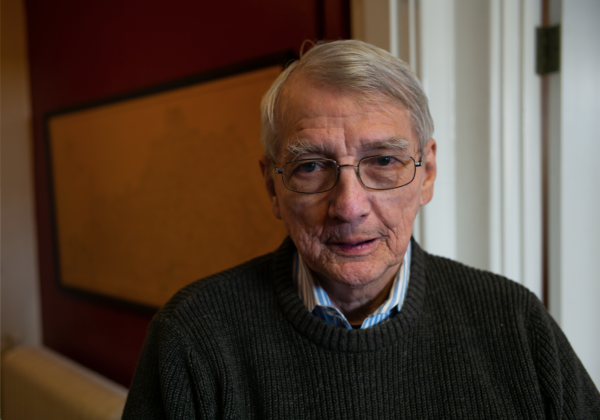
Appalachia was always a region Norman was particularly passionate about, according to Leah Bayens, director of the Berry Center Farm & Forest Institute.
Bayens first met Norman while studying at Eastern Kentucky University, where she interviewed him for an Appalachian literature class, she said.
Once Bayens interviewed Norman, and he read some of her work, she said he asked her to write an article on him in the Appalachian Journal, which meant a great deal to her as a young graduate.
“That’s the kind of person he was,” Norman said. “He figured out a way to help you understand the first things in life, and also how to put your own particular skills to work on that.”
After interviewing him and taking some creative writing classes he taught, Bayens said she developed a lifelong friendship with Norman.
“That was very common with Gurney. He was very easy to get to know people,” Bayens said. “He really had a way of making people feel like they mattered and that their experiences mattered.”
Norman’s understanding nature was something Bayens said shone through in his writing.
“He took kind of everyday circumstances, and especially for people who had often been looked down on, and really elevated them and breathed life into them,” Bayens said.
Uplifting Appalachians was a key point in Norman’s work, according to Bayens, who said he tackled some of the toughest topics in the region and Kentucky as a whole.
“He did it in a way that didn’t shy away from the hardness, but also did it in a way that was incredibly kind and humanizing and funny,” Bayens said. “He could just be downright hilarious in a kind of under-spoken way.”
Bayens said Norman’s passing instilled a “bittersweet” feeling within her.
“This provides a time for all of us who loved him to think about how he impacted our lives and how much he meant to us,” Bayens said. “He had an amazing, full and wonderful life, and we can all only hope for that sort of thing.”