







































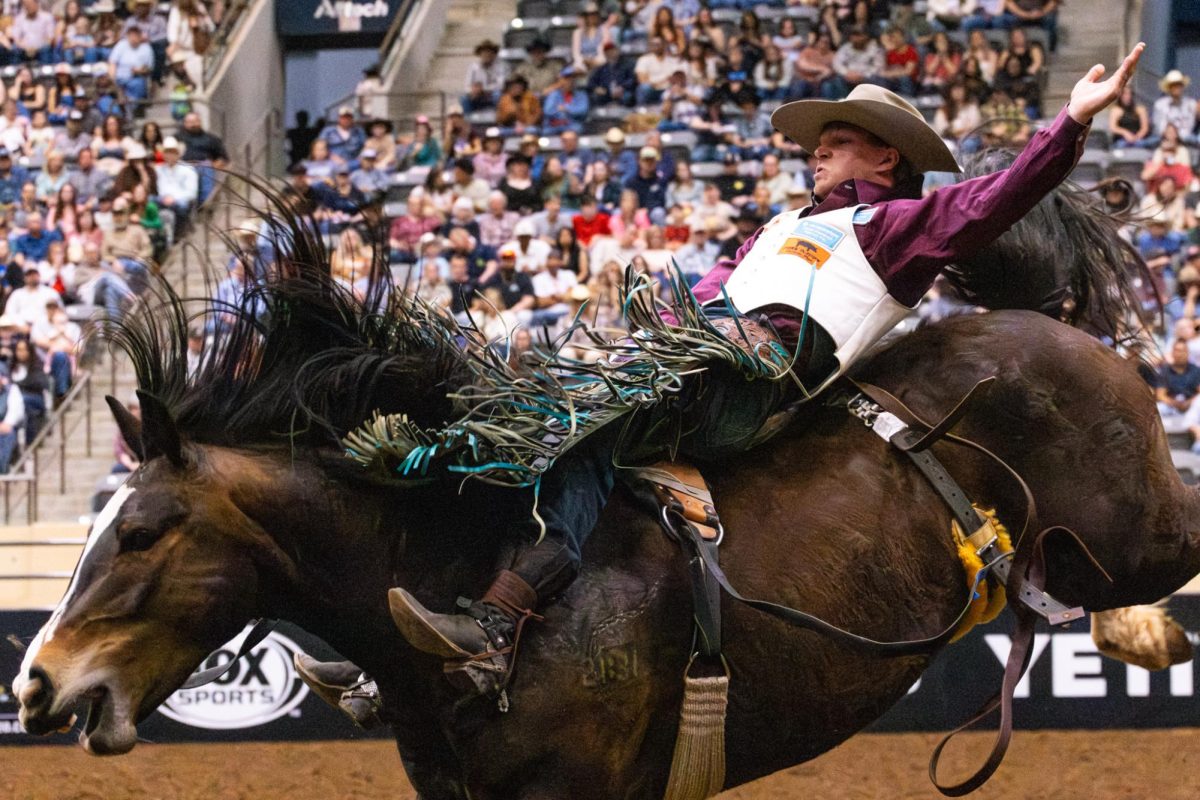















Hooves pound into the dirt hard enough to shake the stands. A gate swings open with a metallic snap.
Somewhere in the middle of it all, a child yells, a crowd rises and another rider charges into the arena with seconds and dreams ticking at the same speed.
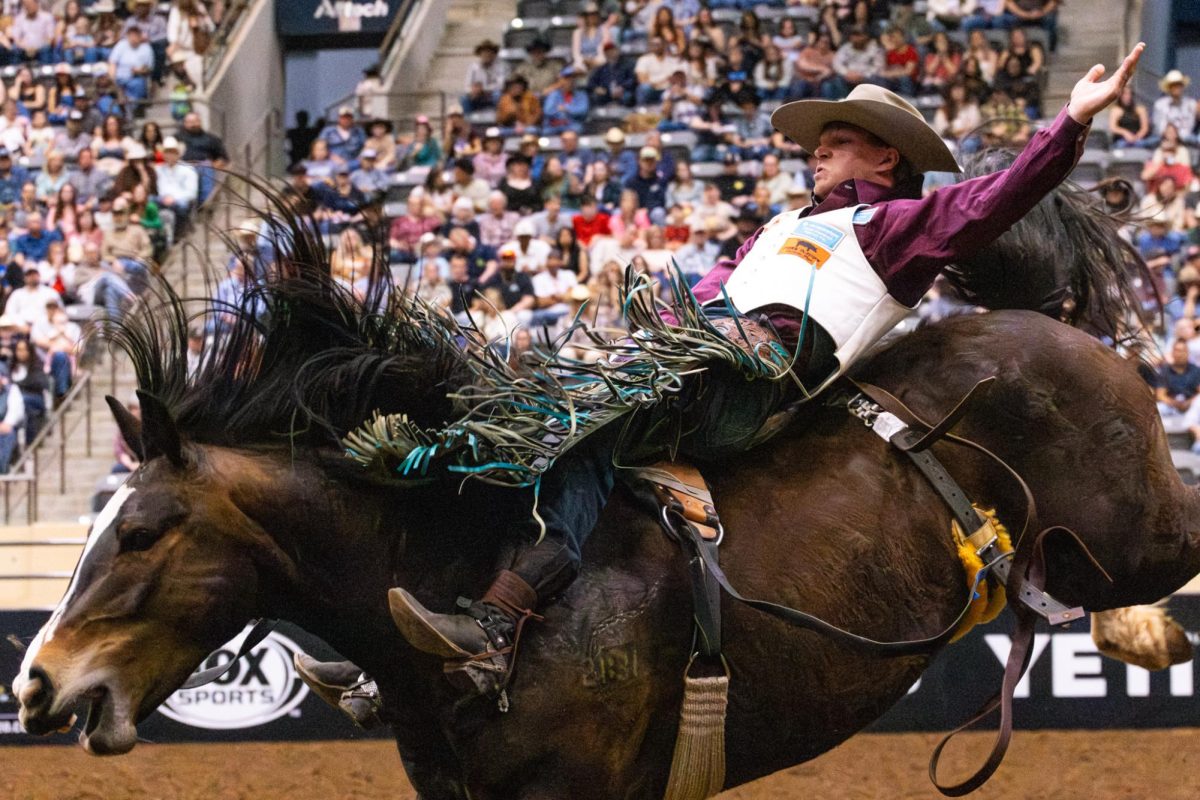
For two days in April of 2026, the Kentucky Horse Park’s Alltech Arena became a crossroads of ambition as the American Rodeo East Regional Finals came to Lexington. Cowboys and cowgirls from across the region arrived with their ropes, saddles, horses and hope.
Some came with national résumés. Others came with day jobs, long drives and trailers packed in before sunrise.
All of them came chasing the same thing: a spot at the American Rodeo Championship Weekend in Arlington, Texas, where qualifiers from the East, West and Central regionals will compete for a chance at a life-changing $2 million bonus.
But to understand rodeo solely by its prize money is to miss the point entirely.
Inside the arena, almost every story began somewhere smaller.
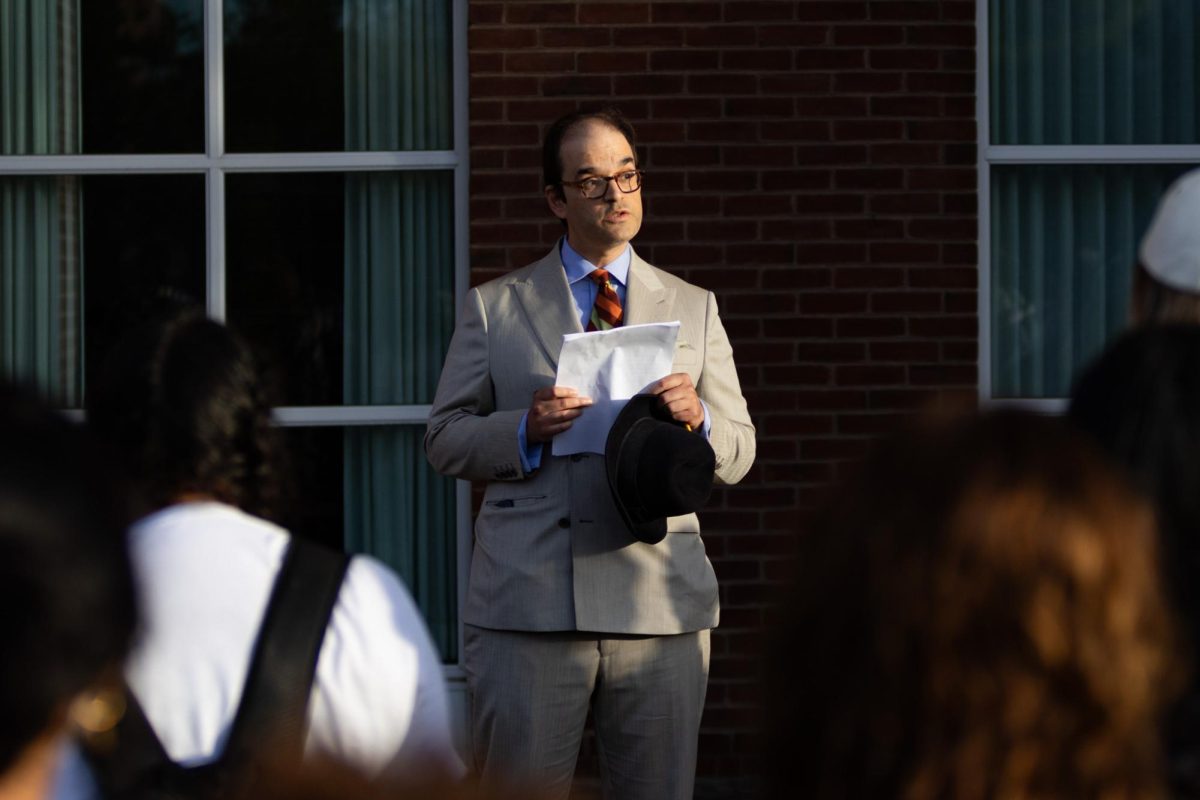
For rodeo clown Backflip Johnny, his passion started with people in the seats.
While others chase times and titles, Johnny chases laughter.
He tumbles, jokes and keeps energy alive between the pressure-filled moments. But beneath the performance lies a simple belief: for two hours, rodeo can help people forget what awaits them outside the gates.
“All the people in the crowd, at every rodeo I do, I don’t know any of them,” Johnny said. “Maybe they just spent their last dollar to get in. Maybe somebody in their family is having medical problems. If I can help those people forget about their problems for the two hours they’re watching me, then it’s worth it.”
That is the hidden language of rodeo.
For Johnny, it is entertainment, yes. But it is also a relief. It is a place where he gets to see strangers cheer together, where stress gets drowned out by the announcer’s voice and where joy can still arrive wearing boots.
Johnny understands that because rodeo gives something back to him, too.
“I love doing this,” he said. “It helps my heart. It helps my mind. It keeps me good and happy.”
During the qualifying rounds, horses and riders from every state crowded the gates, adrenaline pumping. Jennifer Asher waited for her turn.
Asher, a 29-year-old from Lexington, is a wife, a mother of two and a barrel racer whose story does not fit the polished version many imagine when they think of elite competition. She did not spend a lifetime on national circuits. She did not grow up with every opportunity lined neatly in front of her.
Instead, her path curved.
Asher grew up around horses, but only began rodeoing recently. Barrel racing started less than four years ago. Rodeos themselves came even later.
Then came Chip.
The horse now known as “This Is Chip” was never supposed to become her partner in this way. At first, he was just another horse her husband brought home. She joked that she did not even want one.
Now he is the reason she can picture dreams that once felt too far away.
Chip is not the kind of horse bred to impress people on paper, Asher said. He is not from a famous bloodline or a flashy name. He is simply good, calm outside the arena, competitive inside it and fully convinced he is supposed to win.
“He knows what his job is in the arena,” she said. “He wants to win.”
The two learned together, sometimes awkwardly, sometimes painfully.
“I really think that’s one of the only reasons that we’ve made it as far as we have,” Asher said, “Because we had to grow together.”
That phrase hangs over rodeo more than any slogan could: grow together.
Horse and rider. Parent and child. Husband and wife. Trainer and student. Community and competitor.
No one gets here alone.
Twelve-year-old Dusky Lynn Hall, winner of the barrel event, pointed immediately to the people around her.
“All my friends and family,” Hall said. “They pushed me in so many different ways to help me get down the road.”
Tie-down roping winner Bryce Derrer said much the same.
“I have my family,” he said. “They’re amazing. I couldn’t do without them.”
The sport can look individual from the stands. One rider. One horse. One rope. One clock.
But from the dirt level, the rodeo is crowded with unseen hands.
Someone hauled the trailer. Someone paid entry fees. Someone watched the kids. Someone stayed up late wrapping legs, checking tack or making sure the truck would start before dawn. Someone believed long before the run was clean enough to justify it.
Asher knows exactly who those people are in her life.
“My husband, I wouldn’t be able to do any of this without him at all,” she said. “He supports me in every aspect of this dream and of this journey.”
And then there are the moments that never make score sheets.
“My favorite thing is after running, my son will come running up to me and say, ‘Good job, Mommy. That was a great ride,’” she said.
There may be no greater trophy than being seen that way by your child.
Competing in Lexington gave her something else: home-field pride.
When the announcer introduced her as being from Lexington, Kentucky, Asher said it felt like home court, home turf. She was not just entering an arena. She was representing the place that raised her.
“I want to show them what we’ve got,” she said. “That here in Kentucky, in the heart of Kentucky, there’s talent here too.”
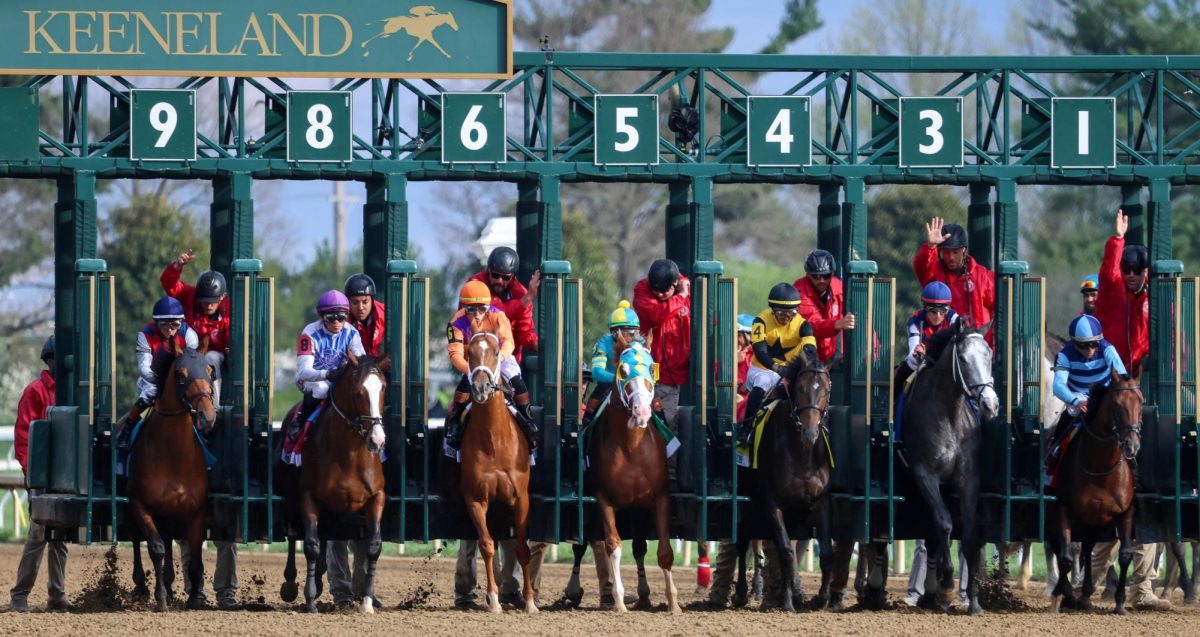
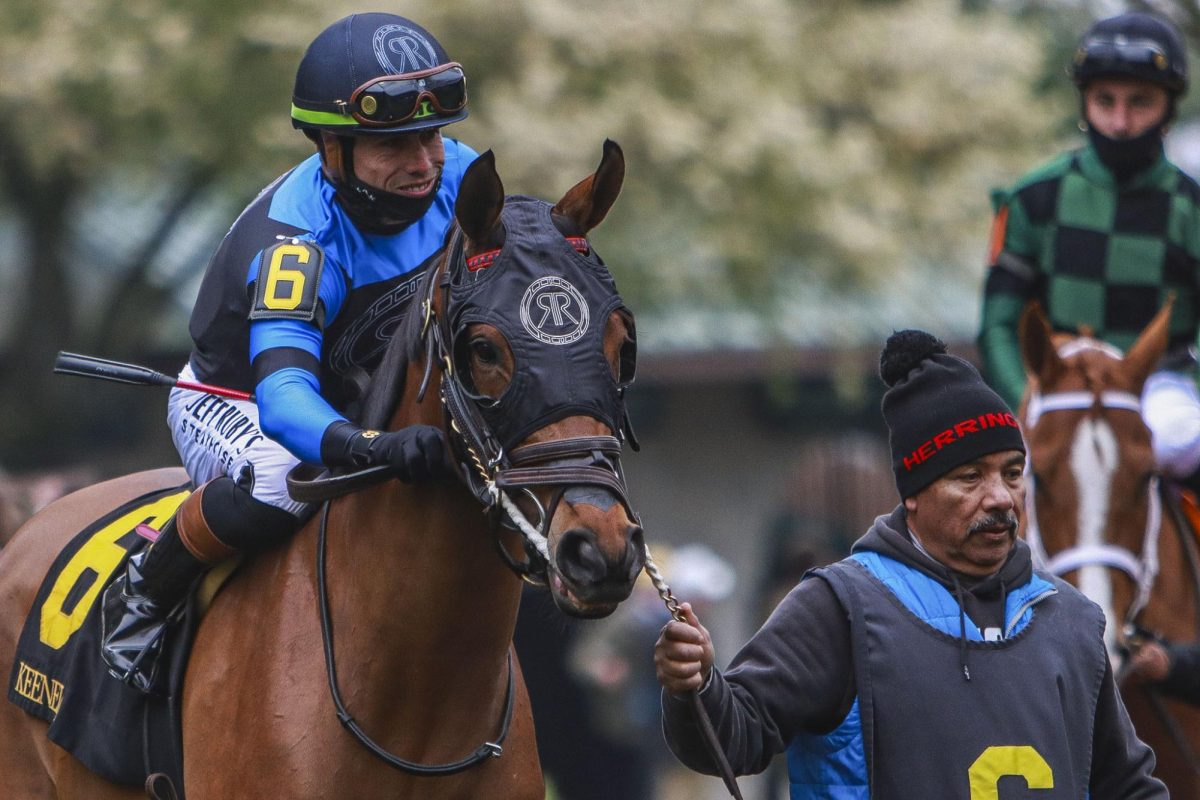
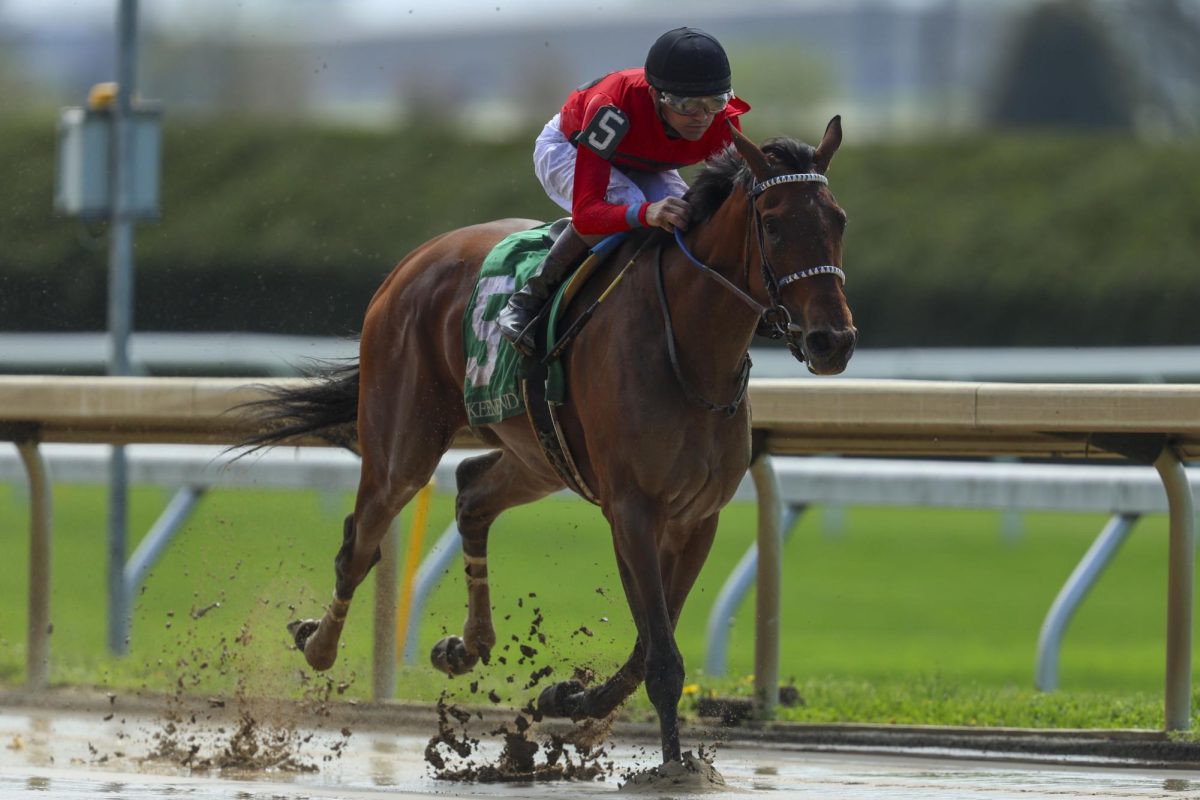
Kentucky is often introduced to the sporting world through Keeneland, Churchill Downs and the Derby trail. But inside Alltech Arena, another horse culture stepped into the spotlight, one built less on hats and pageantry than grit and repetition.
This version of the horse world smells like leather, dirt and sweat. It sounds like trailers pulling in before daylight. It looks like women braiding hair in tack rooms and fathers tightening cinches with calloused hands.
And it matters just as much for people like Asher.
In the stands, attendee Dallas Birdrattler said that the draw is simple.
“Just the enjoyment of it,” he said.
As the regional finals ended, top finishers earned their next trip: Arlington, Texas, championship weekend, brighter lights and bigger stakes.
For some, it is another stop on a professional path.
For others, it is the furthest a dream has ever stretched.
But long after the last run, what lingers most is not the money waiting in Texas or the names at the top of the leaderboard.
It is the mother hugging her horse after a run. Backflip Johnny is trying to make a stranger laugh. The child sprinting to congratulate their parent. The riders who know exactly how hard it was just to get here.
Rodeo is full of people chasing millions.
It is also full of people who have already found something bigger.