



















































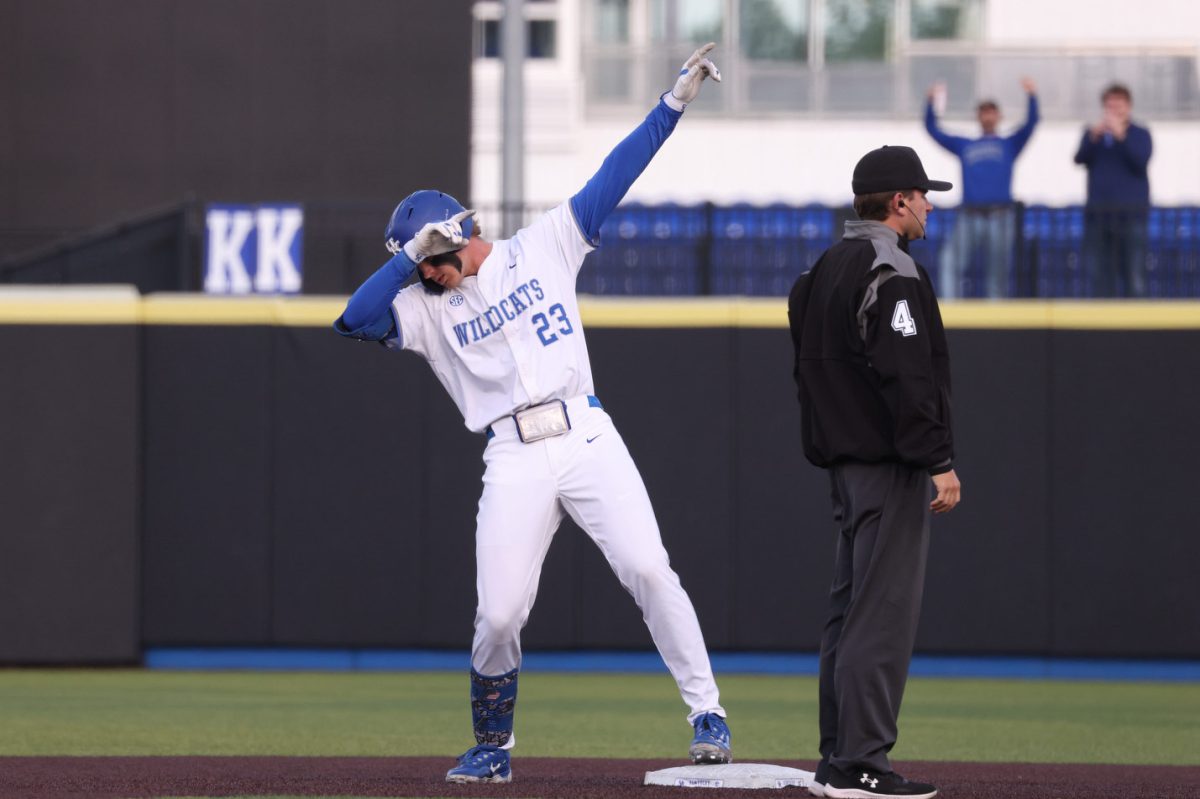
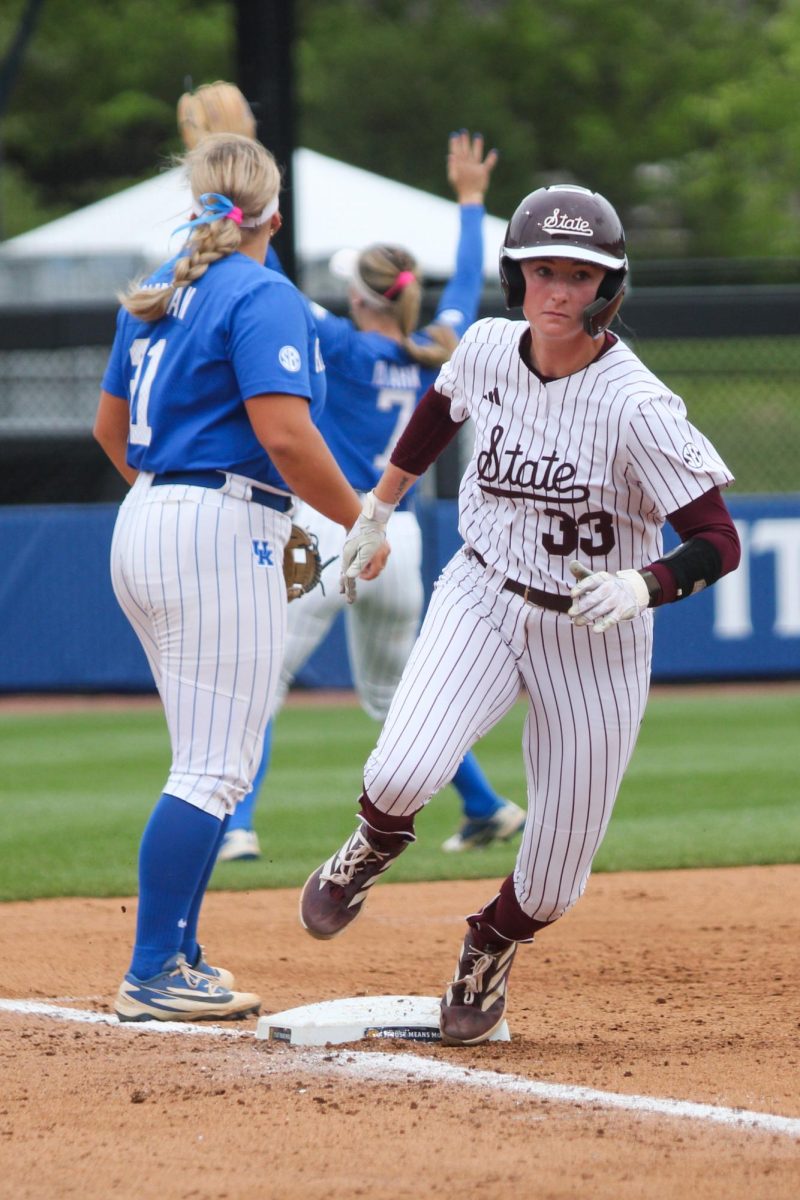


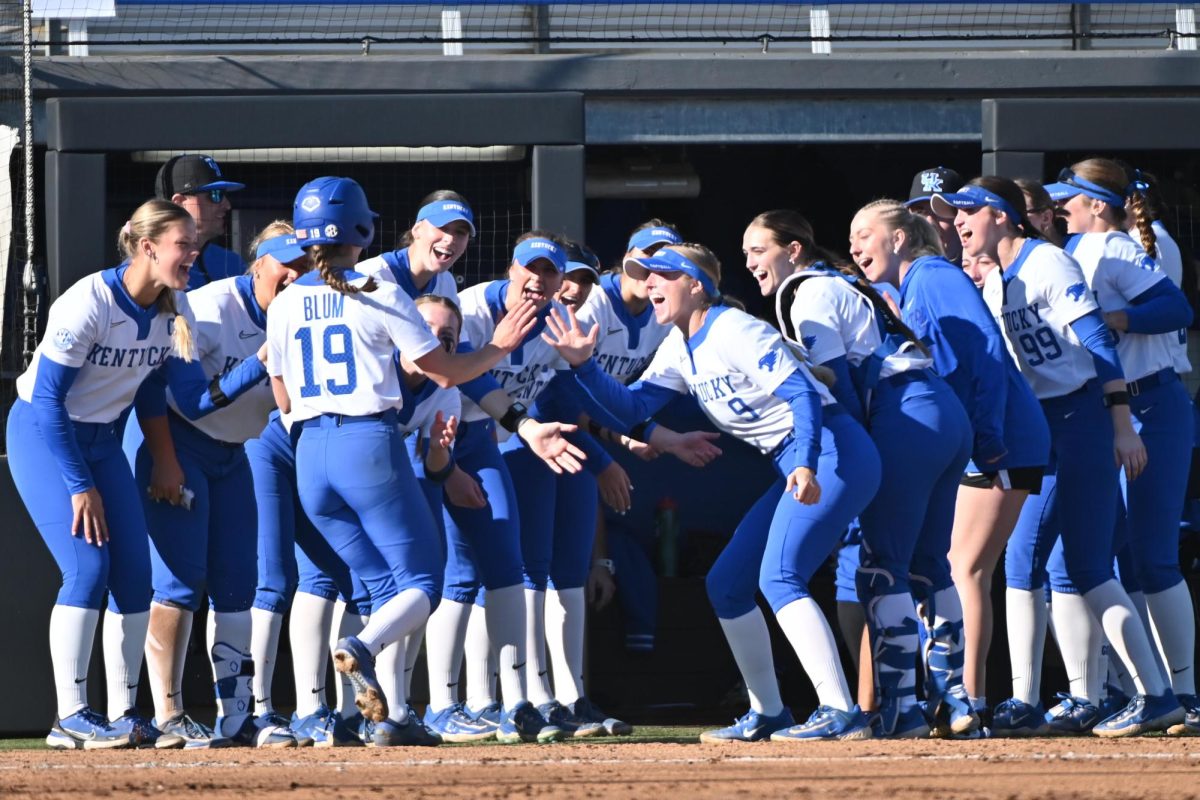
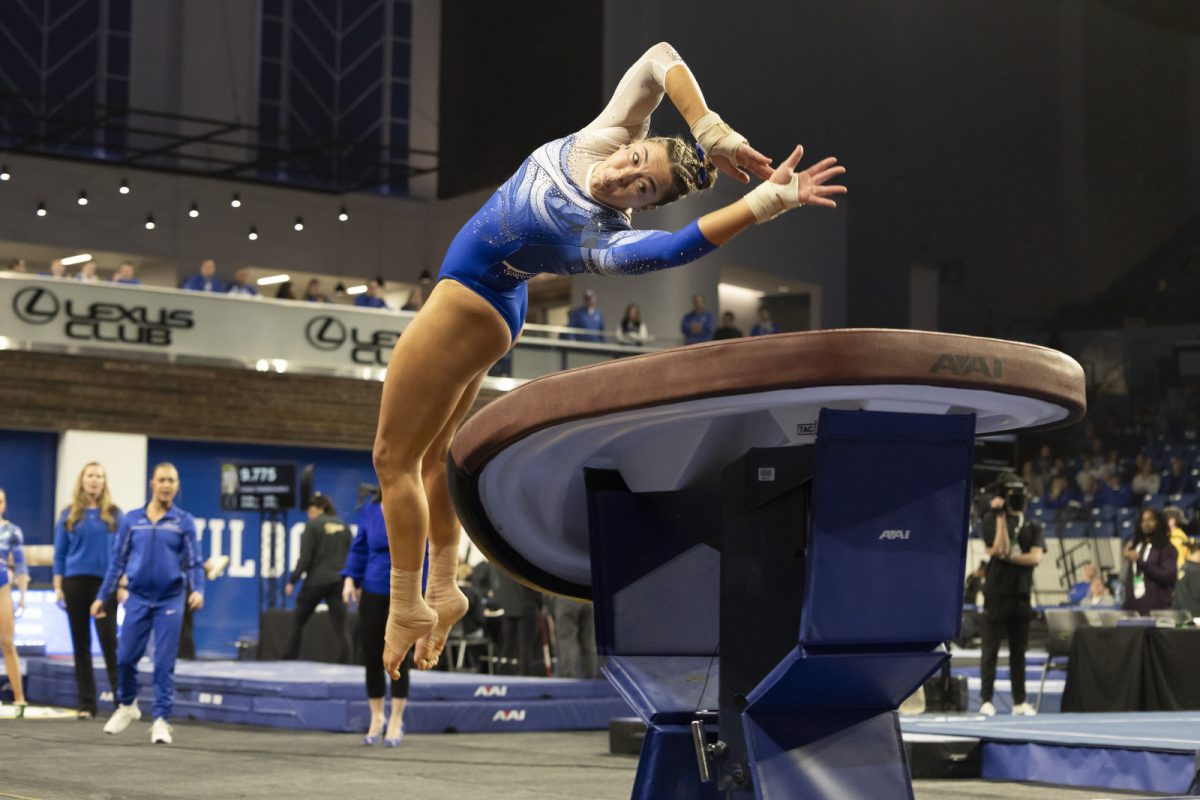











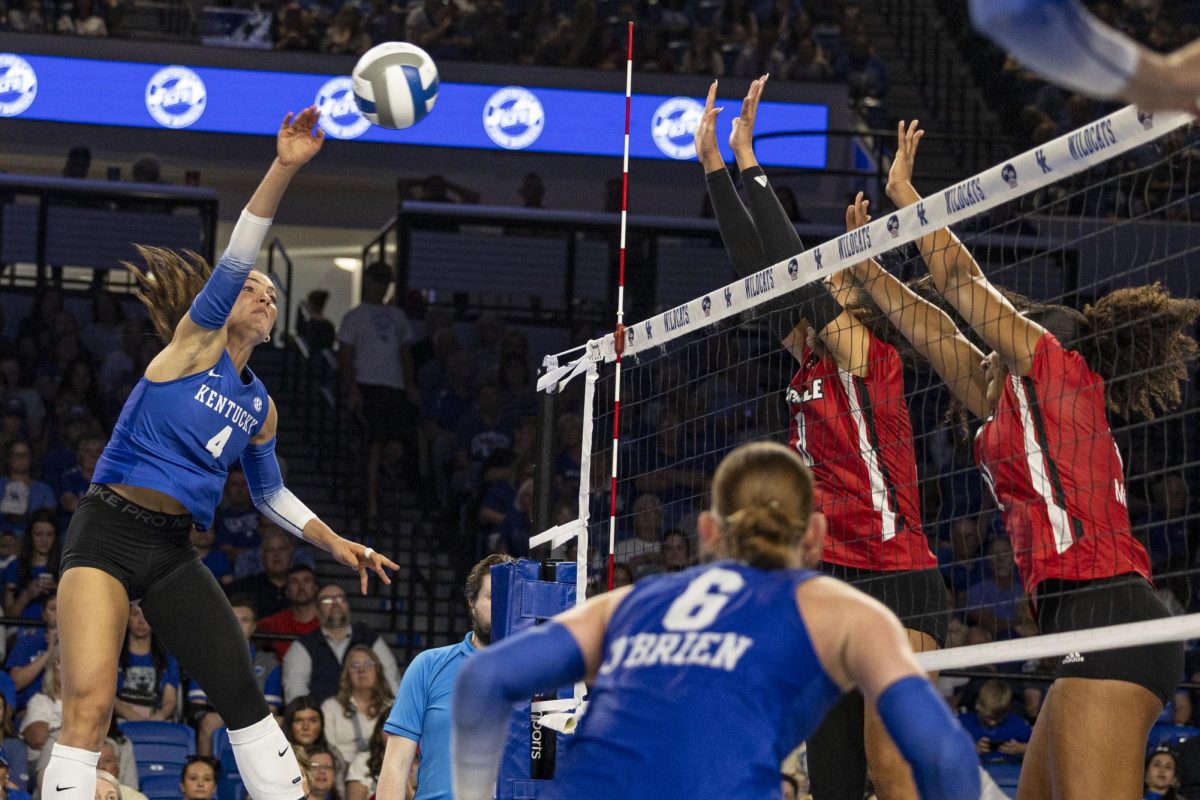














































































The U.S. Sixth Circuit Court of Appeals affirmed a district court ruling in favor of the University of Kentucky, saying it did not violate Title IX by failing to sponsor women’s equestrian, field hockey and lacrosse.
According to court documents, former UK student Lisa Niblock filed a federal lawsuit in 2019 alleging the school violated Title IX by not creating equal opportunities for women to play in varsity sports.
According to Kentucky Kernel reporting, Niblock was a former All-American high school lacrosse star who was recruited by Division I programs across the country.
Niblock said she would have been interested in joining a varsity lacrosse or field hockey team if UK offered either. However, neither sport has risen above club status since the Lady Kats’ last stint as a varsity team in 1978, according to Kernel reporting.
Niblock’s suit alleged UK violated Title IX, saying the university refused to create enough opportunities for women to play varsity sports and wanted the university to add 183 women athletes to its rosters to meet federal compliance.
“The whole situation is so surprising to me,” Niblock said to Kernel reporters. “UK is such a great school, and it has so much to offer its students academically … I don’t know why UK wouldn’t want to add women’s sports, because if anything, it’s just going to make the school more of a powerhouse, athletically.”
Niblock formerly said there is no doubt in her mind if UK offered the sports, female students would be playing them.
The district court conducted a three-day bench trial and found the university did not violate Title IX, according to district court documents.
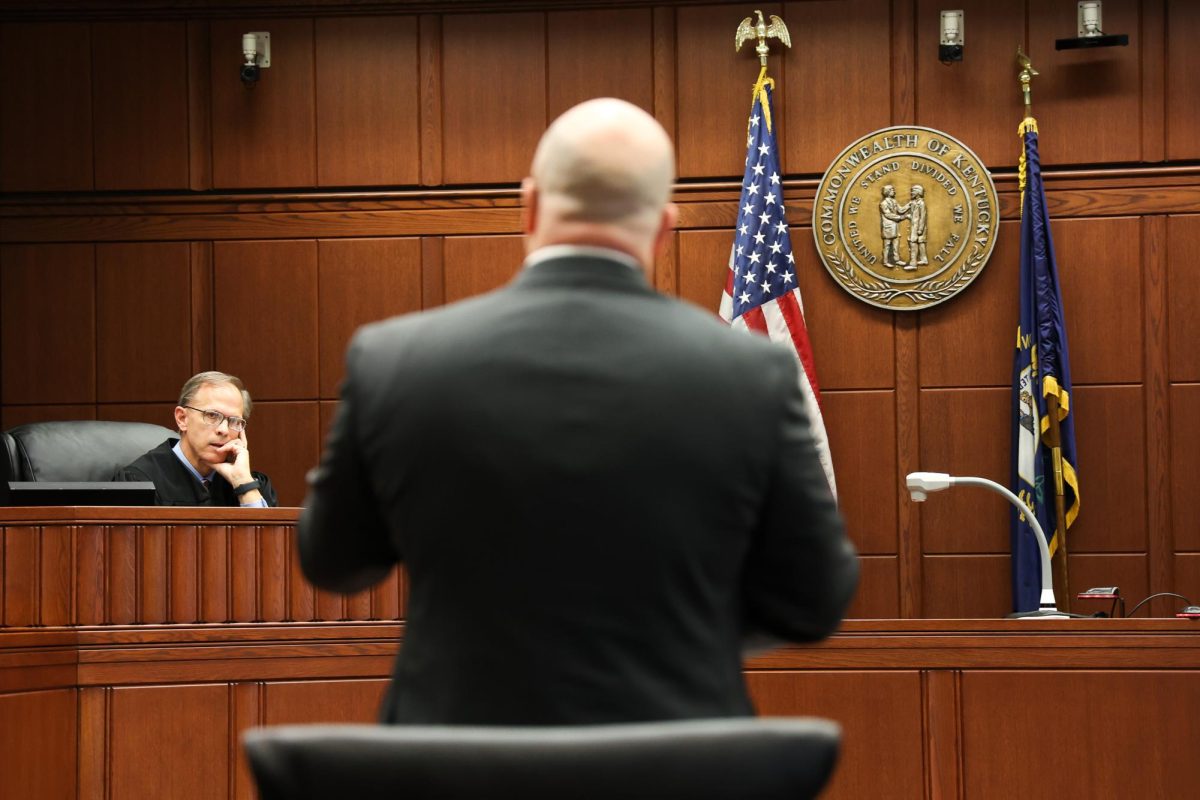
The appellate court ruled Jan. 20 after hearing oral arguments from plaintiff attorney Lori Bullock and defendant attorney Bryan Beauman.
Bullock alleged the number of opportunities for women to participate in varsity sports at UK is not substantially proportionate to the percentage of women enrolled as students.
Title IX does not require the percentage of female varsity opportunities to be equal to the percentage of female students, according to the U.S. Department of Education.
Chief Judge Jeffery Sutton, who wrote the opinion, said the district court found the plaintiffs had not “shown that enough female students at the university wanted to and had the ability to compete in these sports at the Division I level, as opposed to the existing club team level.”
This means the ruling found while women were underrepresented relative to the student body, they failed to show there were enough female students with the desire to participate in those sports, according to court documents.
The court also said Bullock could not prove UK violated the three-part test, a form of assessment for Title IX compliance. To be compliant with the three-part test, the institution must meet any of the following:
- The enrollment of male and female students is proportionate
- The institution has a history and continuing practice of expansion for opportunities for the underrepresented sex and those who show developing interest
- The institution is accommodating the interests and abilities of the underrepresented sex
UK argued to reconsider the use of the three-part test using a Supreme Court ruling from Loper Bright Enterprise v. Raimondo, a decision in 2024 overruling the Chevron doctrine.
The Chevron doctrine used to mean that when a law was unclear, courts should defer to a government agency’s interpretation. The Supreme Court said courts should no longer automatically defer to agencies, it should interpret the law independently.
UK said due to this, the courts should reconsider using the three-part test as it is inconsistent to the U.S. Supreme Court’s precedent.
“The university is pleased that the Sixth Circuit has agreed with a prior court ruling, finding that we fully comply with Title IX and its regulations concerning participation in intercollegiate athletics,” UK spokesperson Jay Blanton said. “We are committed to ensuring our athletics programs accommodate and reflect the interests and abilities of our students. The Court of Appeals’ ruling reaffirms that commitment.”
The Kernel reached out, but got no responses from both Bullock and Beauman.
If either party wants to appeal the decision, they would have to file a petition to the U.S. Supreme Court, according to the United States Courts website. The Supreme Court does not have to grant review.