





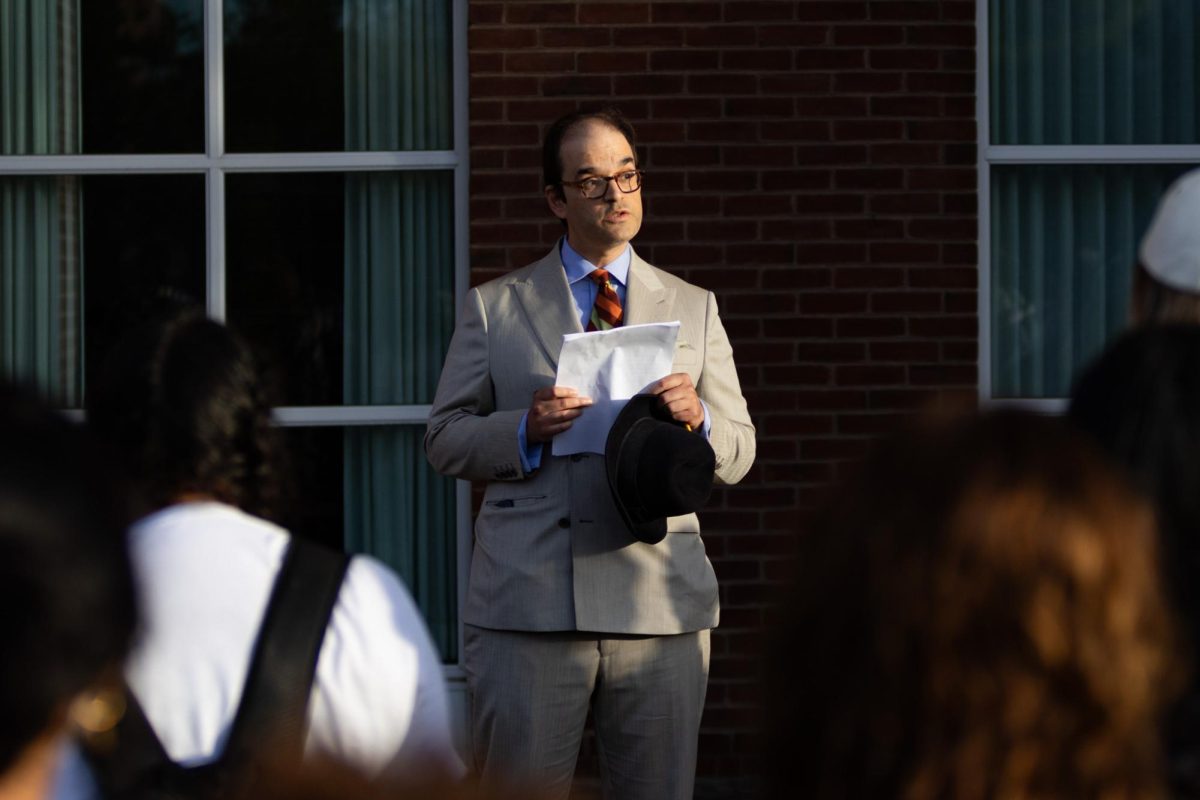







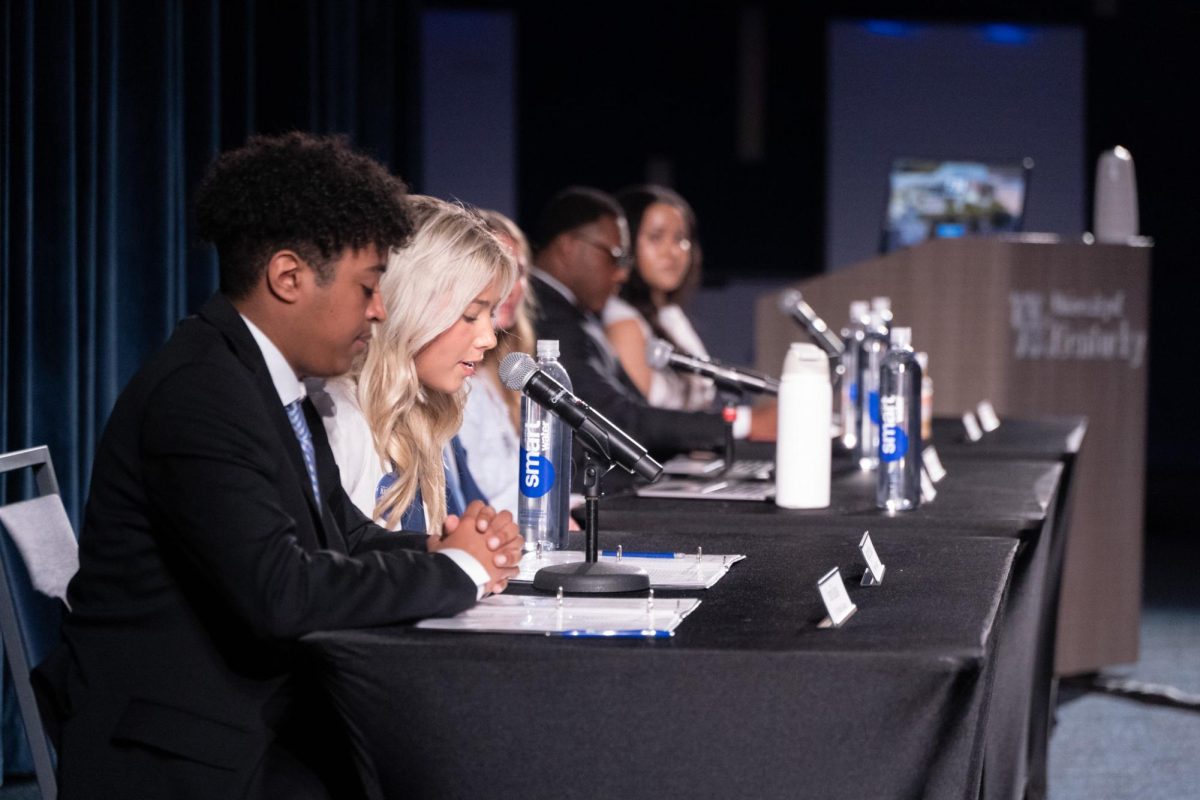

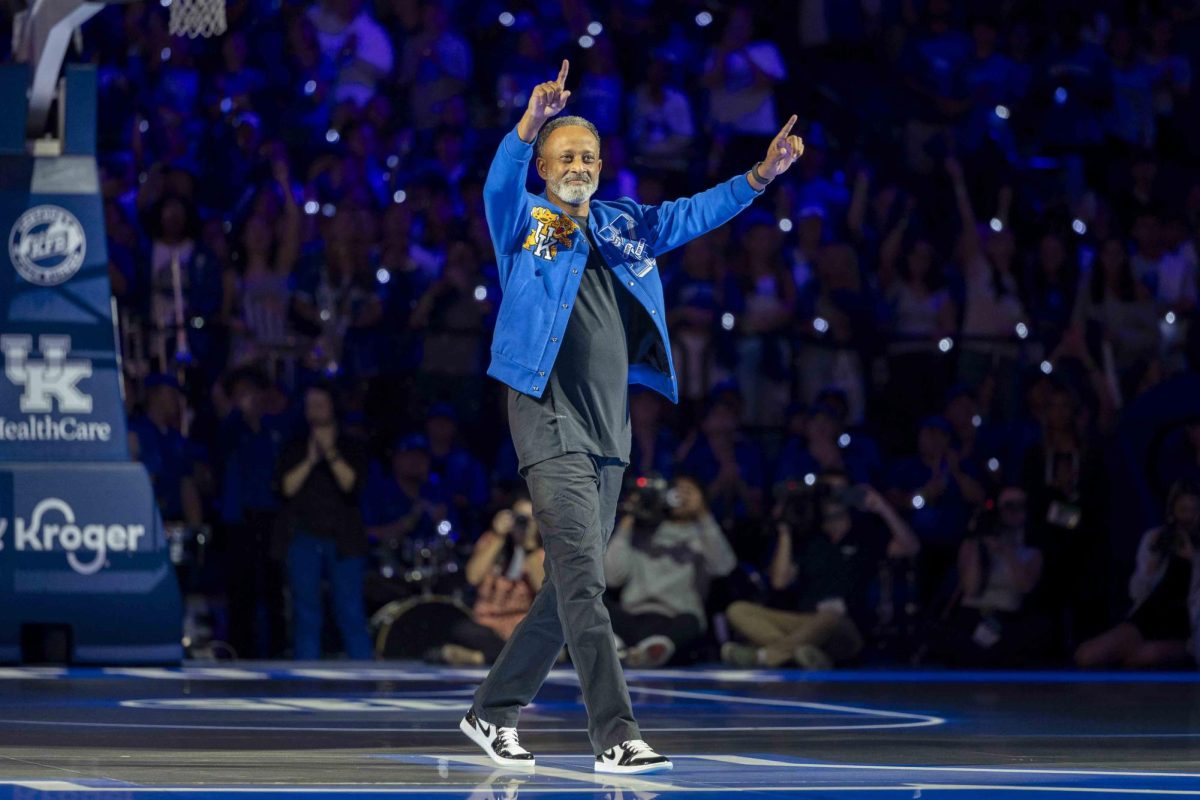















































The University of Kentucky Martin School of Public Policy and Administration hosted the 11th Wendell H. Ford Lecture at the Otis A. Singletary Center for the Arts.
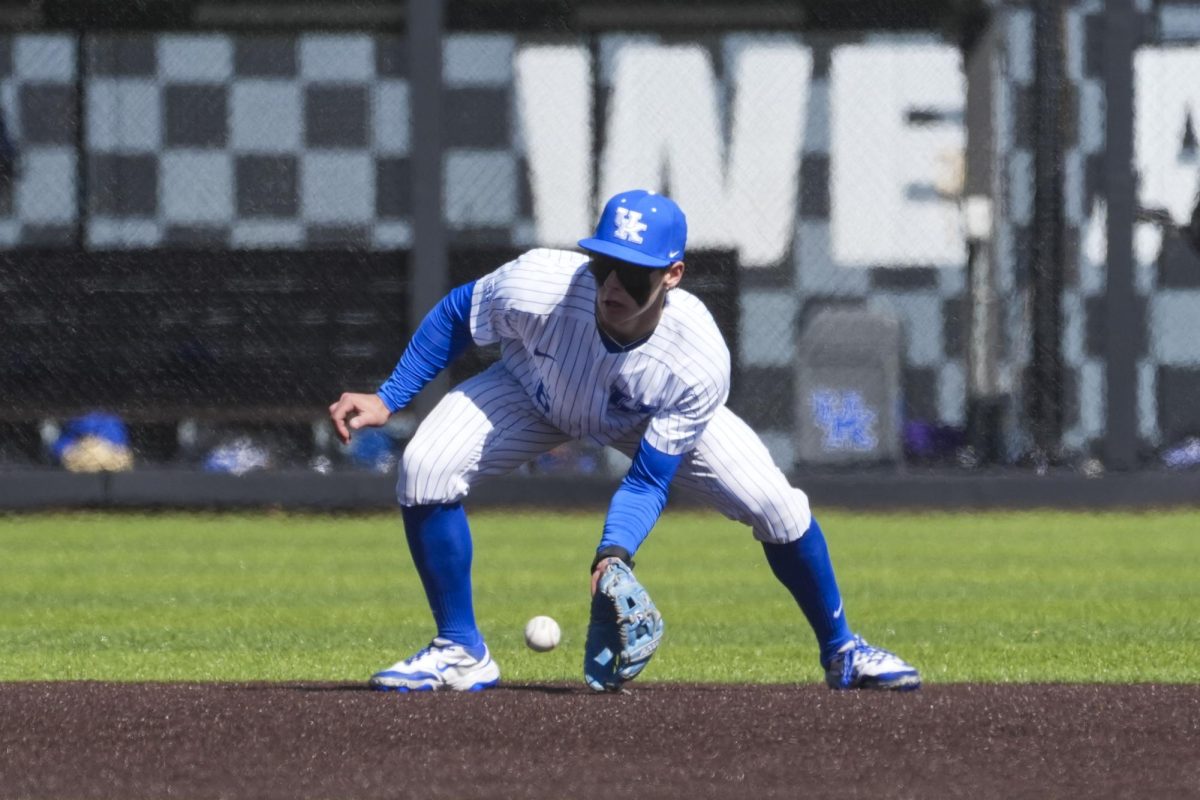
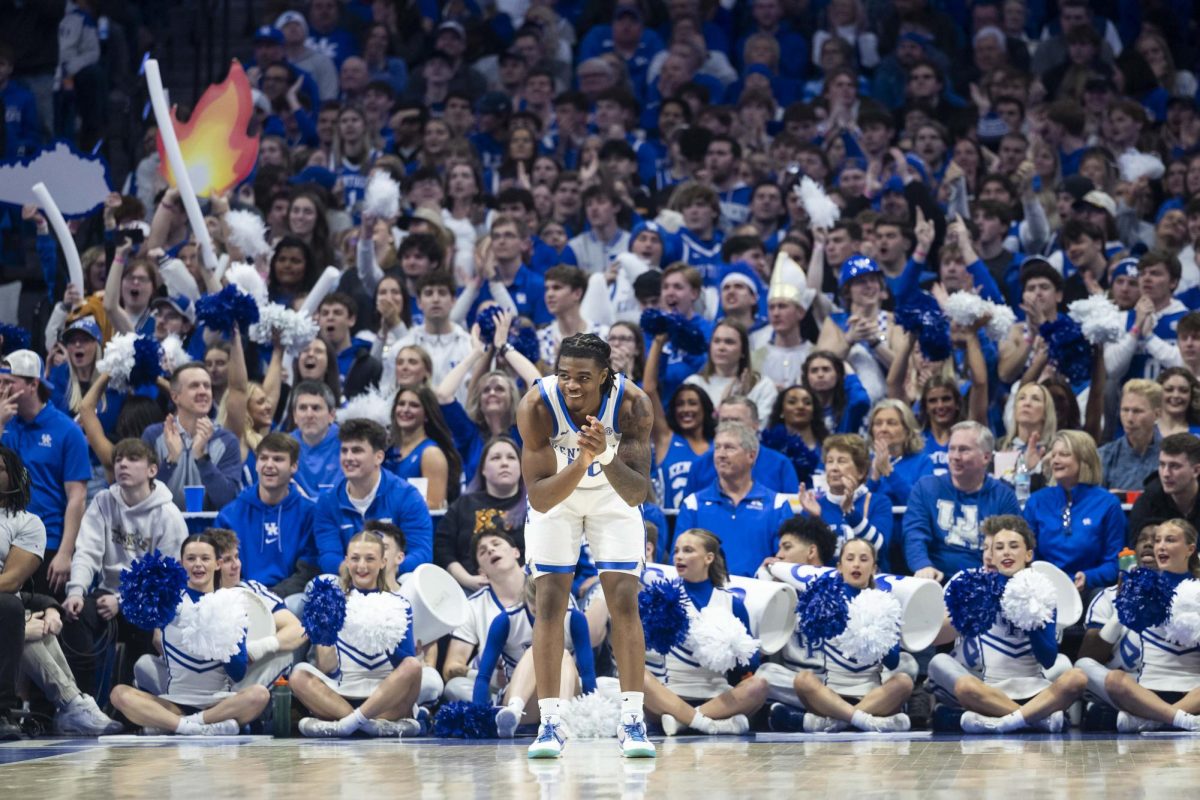
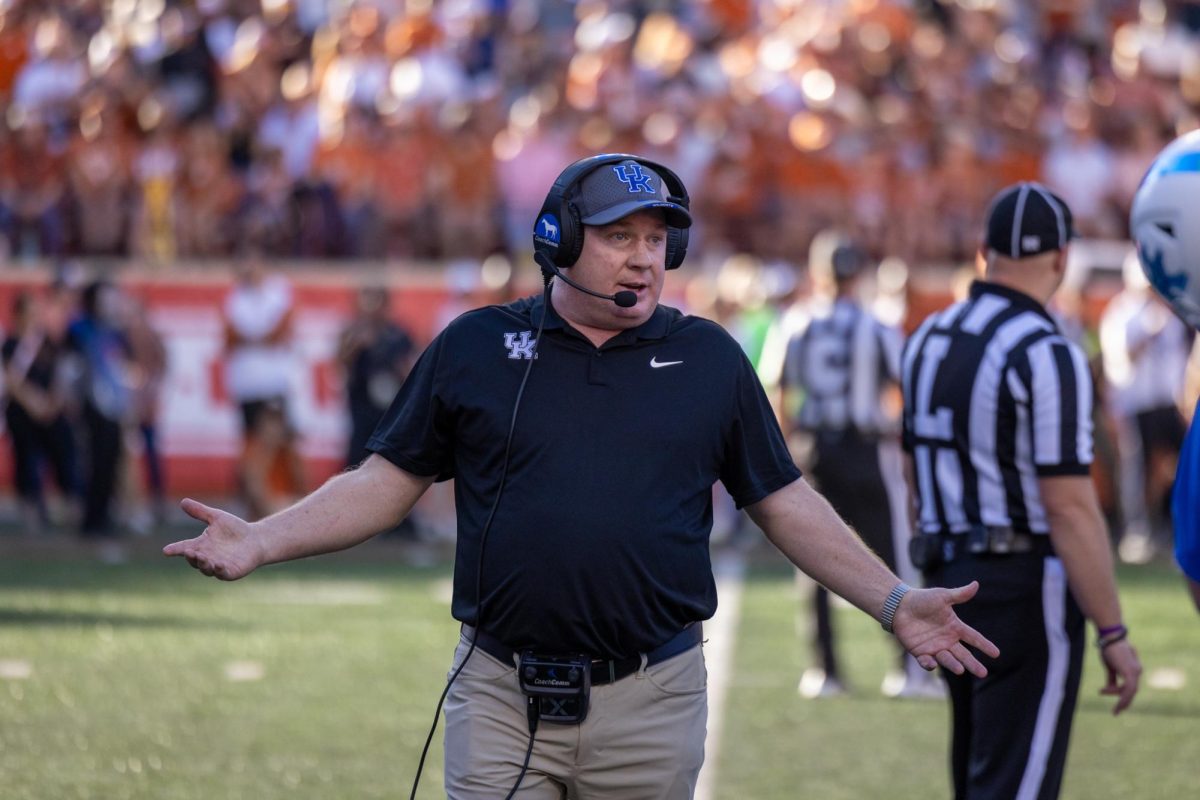
Co-sponsored by UK’s College of Communication and Information, the Monday, Oct. 13, event concentrated on recent policies surrounding compensating student athletes for the use of their name, image and likeness (NIL).
According to Spiro Maroulis, a professor and director of UK’s Martin School of Public Policy and Administration, the annual lecture is meant to educate on how public policy impacts people’s lives.
The lecture reflects the legacy of its namesake, Wendell H. Ford, who was a U.S. senator and Kentucky governor known for spreading knowledge on public policy, Maroulis said.
Maroulis said the topic for the “Name, Image, and Likeness (NIL) in College Athletics: Untangling Public Policy Issues and Implications” lecture was a “great example” of how public policy can affect people’s interests.
“We’re on a college campus. People care a lot about sports here,” Maroulis said. “We just thought people would just be interested in general.”
Matt Jones, the lecture’s moderator and founder and host of Kentucky Sports Radio, began the panel by addressing the history of NIL policy, explaining that for the past 75 years, college athletes weren’t allowed to profit from their involvement in sports.
“You played college basketball or college football, your school will get to basically sell your image, sell your rights, sell your games and you got absolutely none of it,” Jones said. “If you tried to make money doing pretty much anything, you would get in trouble.”
However, Jones said this changed in 2019 when the “Fair Pay to Play Act” was passed in California, and with the NCAA v. Alston case, where the U.S. Supreme Court decided college athletes are allowed to profit from their NIL.
More recently, Jones said the House v. NCAA Supreme Court case required those who played in college sports after 2016, and weren’t allowed to profit from their involvement, to be compensated.
“They did not say that players had to be paid,” Jones said. “They just said the schools, due to antitrust laws, couldn’t stop you from making money doing other things.”
While much action has been taken, the future of NIL policy and its implications are yet to be known, according to Jones.
“We’re in this tenuous situation. We have a settlement, we have courts approving the settlement, but the rules that have been created are still being challenged in court. So what happens?” Jones said. “Well, the answer is, we don’t know.”
The event’s panelists included Mark Story, a sports columnist for the Lexington Herald-Leader, Amy Privette Perko, CEO of the Knight Commission of Intercollegiate Athletics and Rob Mangas, a lawyer and former UK football player.
Privette Perko said college sports, specifically Division I sports, are being remade, meaning new public policy challenges will arise.
“It’s a major change in the history of college sports,” Privette Perko said. “Anytime you change anything, there’s a lot of new rules to put in place, a new framework to put in place, and it’s new for fans. It’s new for athletes, new for coaches, new for institutions.”
Unresolved issues regarding NIL policies and college athlete compensation, such as whether or not athletes should be deemed employees, are “pointing towards” the need for federal legislation, according to Privette Perko.
“We may be at a point this time next year where there’s federal legislation that is now helping to set the framework for Division I college sports,” Privette Perko said.
Title IX, which prohibits sex-based discrimination, also needs to be considered regarding NIL compensation, according to Privette Perko, as schools have an obligation to comply with the federal legislation.
“You don’t want to see schools now giving most of its NIL compensation to male athletes and then maybe taking away money from what’s being provided to women’s sports,” Privette Perko said.
The purpose behind NIL policy changes is to be more fair to college athletes while still creating a distinct difference between collegiate and professional sports, according to Privette Perko.
“Now it’s about how do you . . . provide these new opportunities and make sure that there’s fairness to the athletes in terms of not being exploited by agents,” Privette Perko said. “Then how do you also kind of . . . put guardrails around the system so that you can have competition between schools and be done in a way that’s fair?”