






































































































Jeana Klevene walked into a local school and looked around at the children awaiting their classical ballet demonstration.
In the corner of her eye, Klevene observed a group of young students sitting to the side, separated from the rest of the class.
Klevene saw the pain in the faces of those who were pulled from the crowd and forced to stay on the sidelines, and so she asked, “Well, why isn’t that group participating?”
Without hesitation, the teacher said, “That’s our special education classroom. They can’t do this.”
As Klevene observed the students sitting on the side of the studio, she responded, “Why not?”
Before that day, Klevene said she was lost. Although she knew she loved dance, she didn’t know what she wanted to do with her life.
But after that interaction, Klevene said she wanted to make dance as inclusive as possible, starting in her classroom.
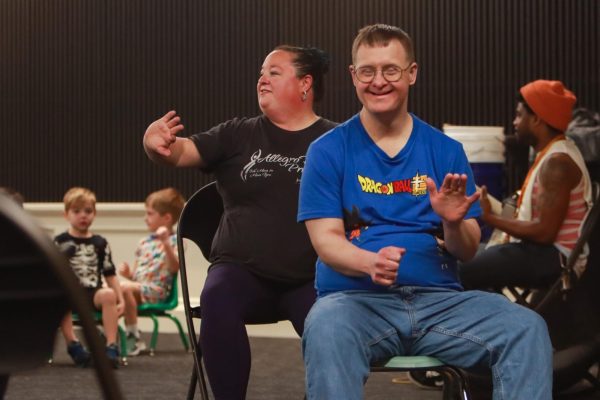
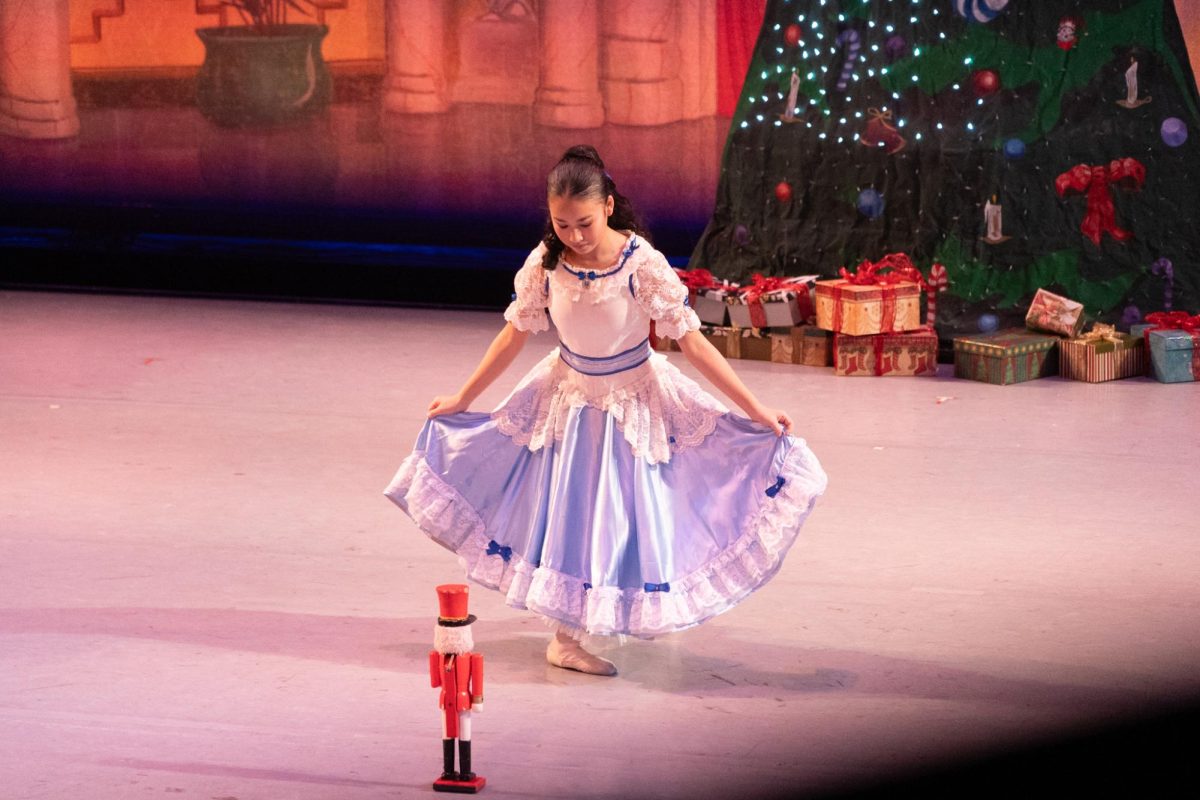
In 2014, Klevene established the Allégro Dance Project, an organization designed specifically for disabled children. As Allégro’s founder and director, Klevene said she aims to make dance accessible by offering outreach programs in primarily elementary schools throughout Lexington, Ky.
According to Klevene, when Allégro Dance Project was first created, it only had 50 students in its first class. Now, after 11 years, Klevene said she teaches roughly 1,500 students across Lexington every week, including those with and without disabilities.
Although the dance community has always been prevalent in Lexington, the community had “tunnel vision” for who could participate, accepting only those who fit the “stereotypical” dancer mold, according to Klevene.
“It’s (dance) almost proud to be exclusive in a lot of different ways,” Klevene said. “If you were to interview someone on the street and ask, ‘What does a dancer look like?’ They would all kind of describe the same person.”
When Klevene started teaching dance, she said she noticed a clear divide between those who were “allowed” and those who were not allowed to participate in typical dance classes.
According to Klevene, there was an assumption that the disabled children had to sit and watch because of their disabilities, saying although there has been a shift toward more inclusionary practices, many businesses find them “inconvenient.”
“It’s sometimes not convenient for everyone to make things inclusive,” Klevene said. “It’s just so important for everyone to get a chance to experience anything that calls to them, or anything that they’re talented or gifted at.”
Inclusion shouldn’t be impossible to find, Klevene said. It should be an expectation for every industry worldwide.
Klevene changes her classes to accommodate all students, regardless of their disabilities, saying if a student cannot perform the original choreography, she will tweak each move to make it more accessible.
Starting in a chair and moving to the floor, Klevene said she conducts her class in a unique manner, allowing every student to participate to their full capacity.
“It’s specifically designed to be fully inclusive in all ways,” Klevene said.
According to Klevene, students can connect the relationship between movement and music throughout each class, allowing them to exercise their minds, live out their dreams and become stronger.
Klevene said dance encourages her students to get out of their comfort zones and grow in abilities, but also as people.
“We’ve seen students crawl into class and then years later, walk in and out on their own,” Klevene said. “The biggest gift and the biggest reward … is having a kiddo come in that might be a little bit shy or not be as willing to fully participate in the class and just seeing them grow.”

According to Klevene, many students come into the room shy and scared to participate. However, she said each class is conducted in the same order, so kids can become accustomed to the routine and celebrate “little victories” each day.
“They gain the confidence to either join for the first time, or maybe their participation continues to increase,” Klevene said. “Or they learn a new ability they didn’t know they had, or got stronger from the repetition and were able to do more things than they ever thought they could.”
According to Klevene, each class features musical guest Thomas Usher, who helps kids take a break from the dance to participate in immersive music lessons.
A multitude of musical instruments are used in the classes, such as guitars, hand drums and drums. According to Usher, when students pick up these instruments, they exercise their fine motor skills and grow stronger in the process.
Usher said he disguises the exercises within fun activities, allowing students to work their bodies, as many of the children at the Allégro Dance Project face difficulties with muscle movement due to disability or age.
“When I do the instrumental portion. . . there’s a lot of fine motor skills that they (students) have to work, that they’re not required to do often,” Usher said. “They can find a new group of muscles that they’re engaging in.”
Klevene said the program transforms kids, saying she has seen children crawl into their first class shy and afraid, then walk out with a newfound confidence years later.
Watching this transformation has made the years of hard work worth it, Klevene said.
“Seeing the joy and the success that we can inspire,” Klevene said. “That’s what makes me feel great.”
Through her work, Klevene said she has not only seen her students transform, but also inclusivity blossom in the world around her, making dance more accessible than ever.
“I think if we can change even just a few people’s minds about what’s important as far as making sure that things are accessible and inclusive,” Klevene said. “I’d say I have accomplished my goal.”