




































































The Faulkner Morgan Archive held a lecture on the history of LGBTQ+ Kentuckians and its ties to the University of Kentucky, called LEXTalks: Queer Here & Everywhere gallery talk.
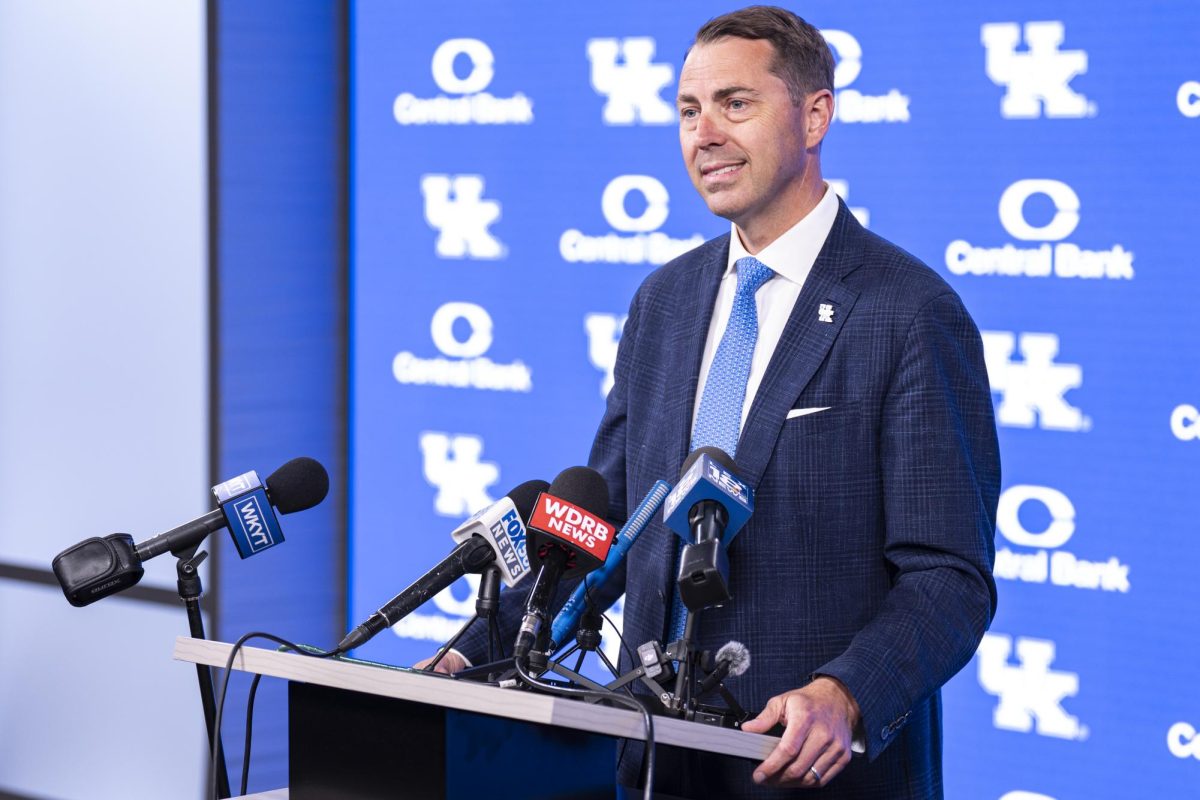
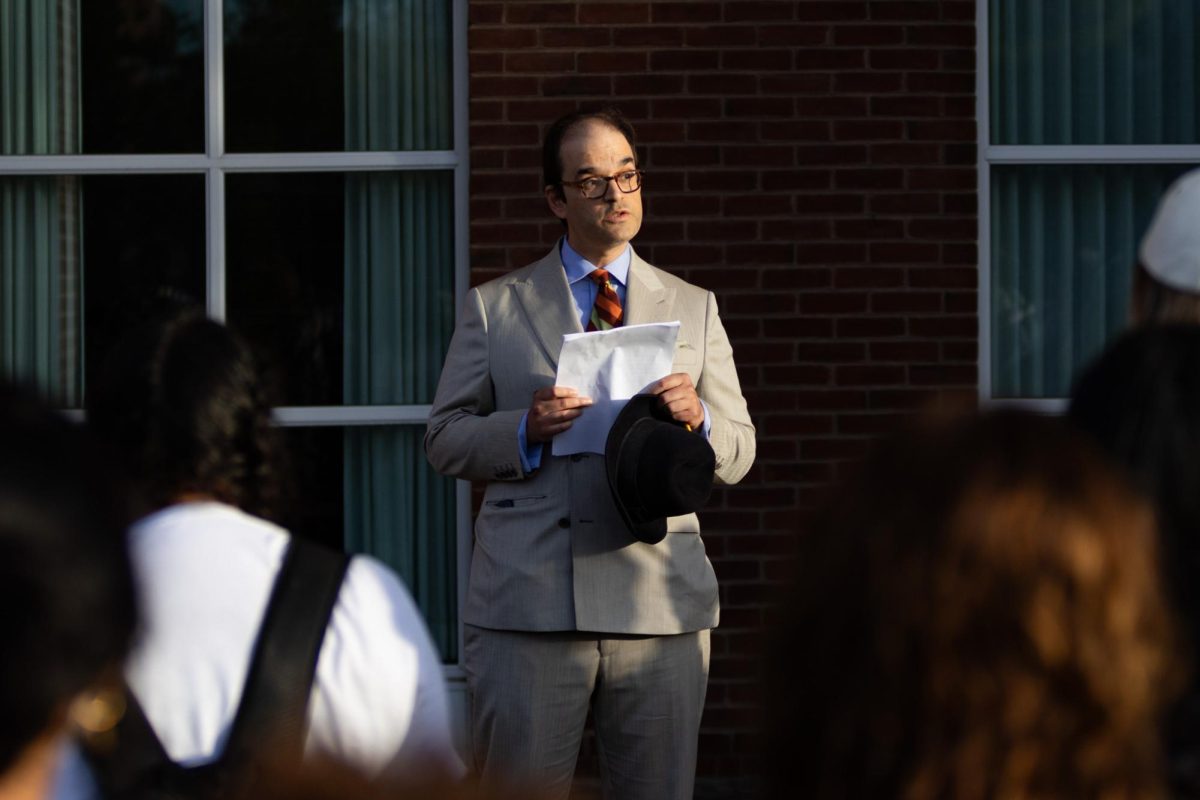
The Lexington History Museum hosted Josh Porter, assistant executive director of the archive, as he gave a timeline of events regarding LGBTQ+ Kentucky history on the night of Wednesday, Aug. 27.
“Today is really just a reminder that Kentucky’s queer history is nothing new, that queer people in Kentucky is nothing new,” Porter said. “Looking at Kentucky’s LGBTQ history especially, I think is a good way of creating this personal connection with people to their own communities and sort of the legacies there.”
Porter discussed historical LGBTQ+ Kentucky natives, including Sweet Evening Breeze (Sweets), Henry Faulkner and UK students who played a part in shaping the community’s rights in Lexington, according to Porter.
Some of the “radical fights for gay rights in Lexington,” according to Porter, were fought by UK students, such as when one of the earliest openly gay organizations to form in Kentucky was at UK, an “after-hours class” the Gay Liberation Front (GLF) hosted.
Porter said the GLF applied to the university for formal recognition as a student organization, but the university refused to acknowledge the organization, threatening to disband all of the student organizations before it would acknowledge the GLF.
As a result, the GLF began legal proceedings and sued the university in a case that took two years to close, according to Porter. The GLF ultimately lost its lawsuit. UK did not recognize a gay student group until 10 years later.

Around the same time in history, a Winchester, Ky. native, John E. Fryer, gave a speech about his sexuality at the 1972 annual American Psychiatric Association (APA) conference. Fryer’s speech about his homosexuality as a psychiatrist resulted in a standing ovation and the removal of homosexuality from the APA’s list of mental illnesses the following year, according to Porter.
“I think things like this and exhibitions and talks sort of do two things, where they educate people that don’t know about this history, and make you know straight people that aren’t aware of LGBTQ history, and sort of how long reaching it is, but also to your people, especially your youth, reminding them that they do belong in Kentucky,” Porter said.
Queer youth in Kentucky might think that they need to go to a bigger city outside of Kentucky to feel accepted, according to Porter.
“You don’t have to leave,” Porter said. “There have been queer people here for generations.”
Porter said events like these are important to him due to his own sexuality.
“When I was interning with the archive, I was kind of discovering my own queerness at the same time. And so in my internship, I was just learning a ton and really getting a lot of personal connections too,” Porter said. “It almost felt like looking at your own family history, in a way, because there is that sense of queer family that happens.”
Christina Thompson, a Ph.D. student in chemistry at UK, said events like these are amazing to hear the history of her community in Kentucky.
“I don’t think a lot of people outside the community necessarily get to hear these narratives, I think a lot of times queer stories end up getting really politicized in discussions and you don’t necessarily just get to hear about people’s lives and people’s stories,” Thompson said.
The gallery talk has aspirations of traveling around Kentucky, according to Porter, with the next set venue being the Lexington Public Library Eastside Branch during October of this year.
“Queer people have been here for the entire 250 years of Kentucky’s history, even before that. Queer people have always been a part of this history, people just haven’t really looked for it,” Porter said.

(Sydney Novack)